Buy stillberatung.eu ?
We are moving the project
stillberatung.eu .
Are you interested in purchasing the domain
stillberatung.eu ?
domain@kv-gmbh.de · 0541-91531010
Buy stillberatung.eu ?
Are germs killed during baking?
Yes, baking at high temperatures can kill most germs, including bacteria and viruses. The heat from the oven can destroy the cell structure of germs, making them unable to survive. However, it is important to note that some spore-forming bacteria and heat-resistant viruses may still survive baking, so it is essential to practice good hygiene and food safety measures when handling and preparing food. **
What are germs on potatoes?
Germs on potatoes are the small growths or buds that develop on the surface of the potato. These germs are also known as "eyes" and are the starting point for new potato plant growth. When potatoes are stored in a cool, dark place, these germs will begin to sprout and grow into new potato plants if given the right conditions. Germs on potatoes are a natural part of the potato's life cycle and are not harmful to eat. **


Similar search terms for Germs
Top-Angebote
Products related to Germs:
-
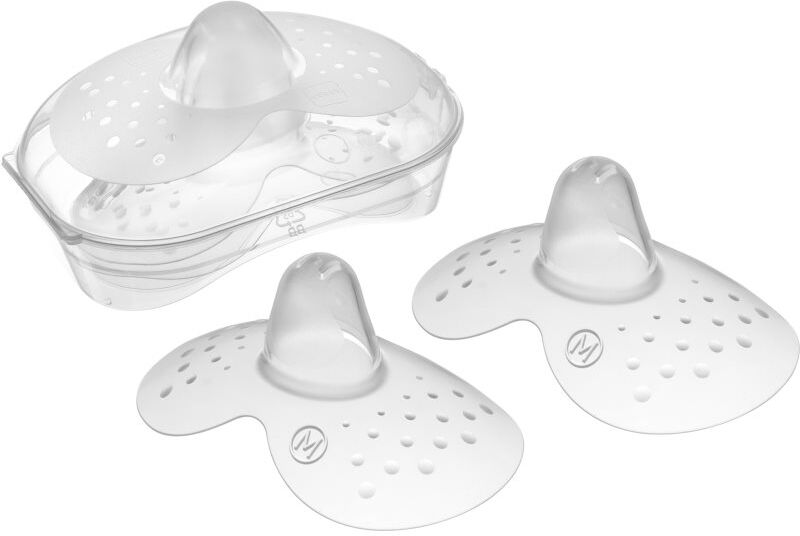
MAM Breastfeeding nipple shields for nursing size M 20 mm 2 pcMAM Breastfeeding, 2 pc, Nipple Shields for Breastfeeding for Women, MAM Breastfeeding nipple shields will help you solve many problems that might come with feeding your baby. Their specially designed shape and material will turn this lovely moment between a mother and a child into a time of relaxation. Characteristics: special shape of nipple shield lets the baby nuzzle up against the breast during nursing for a natural, comfortable feeling during feeding time protects painful and chapped nipples perfectly adheres to the breast made of soft silicone speeds up regeneration5,52 £*Shipping: 3,99 £Secure redirect to the provider
-
Bayer Ginecomplex Lactation 60 CapsulesNutrition and Supplements Vitamins and minerals Bayer Ginecomplex Lactation 60 Capsules Ginecomplex Lactation is a complete and balanced combination of omega-3 fatty acids, trace elements, vitamins, and minerals that helps meet the increased nutritional needs during breastfeeding. Ginecomplex Breastfeeding contains DHA (docosahexaenoic acid), an omega-3 fatty acid that contributes to maintaining normal brain and vision function, as well as essential trace elements: zinc contributes to cell division and the normal function of the immune system; iron contributes to the normal formation of red blood cells and hemoglobin and the normal transport of oxygen in the body; and iodine, which plays a role in normal cognitive function and the normal function of the nervous system. Other minerals such as copper and manganese are also present in Ginecomplex Breastfeeding. Ginecomplex lactation also contains vitamins: folic acid contributes to the growth of maternal tissues during pregnancy and to the process of cell division; vitamin A contributes to the maintenance of normal vision and supports the normal function of the immune system; vitamins B1, B2, B3, B6, B8 and B12 contribute to normal energy-yielding metabolism and the normal function of the nervous system; vitamin E contributes to the protection of cells from oxidative damage; vitamin C plays a role in normal collagen formation for the normal function of blood vessels, the normal function of the nervous system and the protection of cells from oxidative damage; and vitamin D, which contributes to the normal absorption and utilization of calcium and phosphorus, the maintenance of normal blood calcium levels, the maintenance of normal bones and the process of cell division. Instructions for Use: It is recommended to take two capsules daily during breastfeeding. Do not exceed this dose. Food supplements should not be used as a substitute for a varied and balanced diet and a healthy lifestyle.17,64 £*Shipping: 3,99 £Secure redirect to the provider

-
Does disinfectant remove all bacteria germs?
Disinfectants are designed to kill or inactivate a wide range of bacteria, viruses, and other microorganisms. However, it is important to note that not all disinfectants are effective against all types of germs. Some disinfectants may be more effective against certain types of bacteria than others. Additionally, the effectiveness of a disinfectant can be influenced by factors such as the concentration used, contact time, and the surface being treated. Therefore, while disinfectants can significantly reduce the number of germs present, they may not always remove all bacteria germs. **
-
Are solar showers really full of germs?
Solar showers can potentially harbor germs if not properly maintained and cleaned. The warm and moist environment of a solar shower can create a breeding ground for bacteria and other microorganisms. To minimize the risk of germs, it is important to regularly clean and disinfect the solar shower, as well as ensure proper ventilation to allow for drying between uses. Overall, with proper maintenance, solar showers can be a hygienic and convenient option for outdoor bathing. **
-
When do flour germs die during baking?
Flour germs die during baking when the internal temperature of the baked goods reaches around 140-150°F (60-65°C). At this temperature, the germs are no longer able to survive and are effectively killed off. This temperature is typically reached during the baking process, ensuring that the baked goods are safe to consume. **
-
How do germs develop in the sink?
Germs can develop in the sink when food particles, grease, and other organic matter accumulate in the drain and on the surfaces. These provide a food source for bacteria and other microorganisms to thrive and multiply. Additionally, moisture and warmth in the sink create an ideal environment for germs to grow. Regular cleaning and proper maintenance of the sink can help prevent the development of germs. **

How long do germs survive in liquids?
The survival time of germs in liquids can vary depending on the type of germ and the specific conditions of the liquid. In general, some germs can survive in liquids for a few hours to several days. For example, bacteria such as E. coli and Salmonella can survive in water for days, while viruses like norovirus can survive in water for weeks. It's important to note that the survival time of germs in liquids can be influenced by factors such as temperature, pH, and the presence of other substances in the liquid. **
What causes disgust towards germs and bacteria?
Disgust towards germs and bacteria is often caused by the fear of illness and disease. Humans have evolved to be repulsed by things that could potentially harm them, and germs and bacteria are often associated with sickness and infection. Additionally, societal and cultural norms also play a role in shaping our attitudes towards germs, as cleanliness and hygiene are often emphasized as important values. Media and education also contribute to the disgust towards germs and bacteria by highlighting the potential dangers they pose to our health. **
Top-Angebote
Products related to Germs:
-
Little Tiger Press Dirty Bertie - Series 1 - David Roberts 10 Books Collection Set Fangs Fetch Germs Mud Bogeys Yuck ..Titles in This Set : 1. Dirty Bertie - Worms!2. Dirty Bertie - Fleas!3. Dirty Bertie - Pants!4. Dirty Bertie - Burp!5. Dirty Bertie - Yuck!6. Dirty Bertie - Bogeys!7. Dirty Bertie - Mud!8. Dirty Bertie - Fetch!9. Dirty Bertie - Germs!10. Dirty Bertie - Fangs! Description : Bogeys!Bertie, bribed by his mum to stop picking his nose, gets more than he bargained for with a magic trick and drives a museum potty on a school outing. Germs!Dirty Bertie - the boy with nose-pickingly disgusting habits - is back another helping of comic chaos! Join Bertie in three hilarious new stories, "Germs!", "Stomp" and "Babysitter!", as he attempts to catch sister Suzy's horrible illness, finds himself partnering Gran at a dancing competition and meets his match in the new babysitter who's even grubbier than he is! Fangs!Dirty Bertie - the boy with nose-pickingly disgusting habits - is back for another helping of comic chaos! Join Bertie as he attempts to reveal grumpy Mr Grouch as a vampire, finds himself modelling the latest catwalk fashions and gets a serious scare-cut at the barbers. Pants!Features stories about Pants, Fame and Poop. Bertie's third book finds him facing the shame of losing a dare with Know-All Nick and having to wear his pants to school, playing the part of the dog in the local amateur dramatic society's production of Oliver! and taking Whiffer to Royston Rich's birthday party, where Whiffer leaves a very unwelcome present… Fetch!Dirty Bertie - the boy with nose-pickingly disgusting habits - is back for another helping of comic chaos! Bertie finds himself in the dog house over his new robot dog, mistakes the Queen for one of his gran's friends at a royal garden party, and is tricked into getting a girlfriend for the school disco! Fleas!Meet Dirty Bertie - a boy with nose-pickingly disgusting habits! He's full to bursting with madcap plans and crazy ideas, and if it's trouble you're after, look no further - Bertie's sure to be up to his neck in it. Yuck!Bertie devises a new scheme for making filthy lucre, has a sickly time at the fairground and manages to teach a toddler her first word: Bum. Burp!Meet Dirty Bertie - a boy with nose-pickingly DISGUSTING HABITS! Watch out, Bertie is back, and this time he's staging a school dinner revolt, taking Whiffer to dog training and sabotaging his sister's sleepover. It can only end in chaos! Worms!Join Bertie as he tries to get out of a pink party, fails to be polite for a whole day and makes a really rubbish entry into the summer fair's flower arranging competition… Mud!Bertie faces a barrage of footballs as the school's new goalie and battles to stay clean for the school photographer and gets hopelessly lost in a huge department store.14,49 £*Shipping: 2,99 £Secure redirect to the provider
-
Usborne Very First Questions and Answers 4 Book Set by Katie Daynes - Lift-the-Flap Board Books - Ages 2-4 - Stars, Germs & PooIntroduce your toddler to the world of learning with this Usborne Very First Questions and Answers collection of four board books. Designed for young learners, each sturdy book tackles a big question children naturally ask, from the night sky to everyday life. Simple text and bright illustrations make it easy for little fingers to explore, while dozens of flaps invite repeated reading and shared learning at home or in nursery settings. This collection brings together titles from Usborne's Very First Questions and Answers series, created for toddlers and pre-schoolers taking their first steps into non-fiction. The books in this set include What are Stars?, What are Germs?, What is Poo?, and a second copy of What are Stars?.12,99 £*Shipping: 2,99 £Secure redirect to the provider
-
MAM Breastfeeding nipple shields for nursing size M 20 mm 2 pcMAM Breastfeeding, 2 pc, Nipple Shields for Breastfeeding for Women, MAM Breastfeeding nipple shields will help you solve many problems that might come with feeding your baby. Their specially designed shape and material will turn this lovely moment between a mother and a child into a time of relaxation. Characteristics: special shape of nipple shield lets the baby nuzzle up against the breast during nursing for a natural, comfortable feeling during feeding time protects painful and chapped nipples perfectly adheres to the breast made of soft silicone speeds up regeneration5,52 £*Shipping: 3,99 £Secure redirect to the provider
-
Are germs killed during baking?
Yes, baking at high temperatures can kill most germs, including bacteria and viruses. The heat from the oven can destroy the cell structure of germs, making them unable to survive. However, it is important to note that some spore-forming bacteria and heat-resistant viruses may still survive baking, so it is essential to practice good hygiene and food safety measures when handling and preparing food. **
-
What are germs on potatoes?
Germs on potatoes are the small growths or buds that develop on the surface of the potato. These germs are also known as "eyes" and are the starting point for new potato plant growth. When potatoes are stored in a cool, dark place, these germs will begin to sprout and grow into new potato plants if given the right conditions. Germs on potatoes are a natural part of the potato's life cycle and are not harmful to eat. **
-
Does disinfectant remove all bacteria germs?
Disinfectants are designed to kill or inactivate a wide range of bacteria, viruses, and other microorganisms. However, it is important to note that not all disinfectants are effective against all types of germs. Some disinfectants may be more effective against certain types of bacteria than others. Additionally, the effectiveness of a disinfectant can be influenced by factors such as the concentration used, contact time, and the surface being treated. Therefore, while disinfectants can significantly reduce the number of germs present, they may not always remove all bacteria germs. **
-
Are solar showers really full of germs?
Solar showers can potentially harbor germs if not properly maintained and cleaned. The warm and moist environment of a solar shower can create a breeding ground for bacteria and other microorganisms. To minimize the risk of germs, it is important to regularly clean and disinfect the solar shower, as well as ensure proper ventilation to allow for drying between uses. Overall, with proper maintenance, solar showers can be a hygienic and convenient option for outdoor bathing. **
Similar search terms for Germs
-
Bayer Ginecomplex Lactation 60 CapsulesNutrition and Supplements Vitamins and minerals Bayer Ginecomplex Lactation 60 Capsules Ginecomplex Lactation is a complete and balanced combination of omega-3 fatty acids, trace elements, vitamins, and minerals that helps meet the increased nutritional needs during breastfeeding. Ginecomplex Breastfeeding contains DHA (docosahexaenoic acid), an omega-3 fatty acid that contributes to maintaining normal brain and vision function, as well as essential trace elements: zinc contributes to cell division and the normal function of the immune system; iron contributes to the normal formation of red blood cells and hemoglobin and the normal transport of oxygen in the body; and iodine, which plays a role in normal cognitive function and the normal function of the nervous system. Other minerals such as copper and manganese are also present in Ginecomplex Breastfeeding. Ginecomplex lactation also contains vitamins: folic acid contributes to the growth of maternal tissues during pregnancy and to the process of cell division; vitamin A contributes to the maintenance of normal vision and supports the normal function of the immune system; vitamins B1, B2, B3, B6, B8 and B12 contribute to normal energy-yielding metabolism and the normal function of the nervous system; vitamin E contributes to the protection of cells from oxidative damage; vitamin C plays a role in normal collagen formation for the normal function of blood vessels, the normal function of the nervous system and the protection of cells from oxidative damage; and vitamin D, which contributes to the normal absorption and utilization of calcium and phosphorus, the maintenance of normal blood calcium levels, the maintenance of normal bones and the process of cell division. Instructions for Use: It is recommended to take two capsules daily during breastfeeding. Do not exceed this dose. Food supplements should not be used as a substitute for a varied and balanced diet and a healthy lifestyle.17,64 £*Shipping: 3,99 £Secure redirect to the provider
-
Hi-Line Gift Mother & Baby KoalaAn awesome piece of sculptured art build with durable polyresin. This Mother and baby Koala statue can be a perfect addition to your home and garden decor. A true example of incredible craftsmanship that captured this emotion in the finest manner.155,71 $*Shipping: 0,00 $Secure redirect to the provider
-
Brudy Lab Breastfeeding 60 CapsulesNutrition and Supplements Vitamins and minerals Brudy Lab Breastfeeding 60 Capsules What is Brudy Lab Lactation 60 Capsules? Brudy Lab Lactation 60 Capsules is a dietary supplement specially formulated to support mothers during the breastfeeding process. This product combines a selection of natural ingredients that promote breast milk production and help maintain the overall health of both mother and baby. Its composition includes ingredients such as fenugreek, green anise, fennel, and ginseng, known for their galactogenic properties, which stimulate and improve breast milk production. The 60 Brudy Lab Lactation capsules provide daily support throughout the breastfeeding process, promoting not only milk production but also the mother's emotional and physical well-being. Who is it for? Brudy Lab Lactation 60 Capsules is indicated for: Nursing mothers who wish to increase or maintain breast milk production naturally Women seeking nutritional supplementation during breastfeeding People who prefer to use natural solutions instead of synthetic medications Mothers who need additional support to balance their physical and emotional health during breastfeeding This supplement is ideal for women in the **postpartum** period who want to optimize their breastfeeding experience and ensure their baby receives the best possible nutrition. How do I apply it? Using Brudy Lab Breastfeeding 60 Capsules is easy and convenient. For best results, follow these recommendations: Take 1 capsule of Brudy Lab Lactation a day, preferably during a meal to improve absorption. Take with a glass of water to facilitate swallowing. It is recommended to follow the daily dose indicated by the manufacturer, do not exceed it without consulting a health professional This supplement is suitable for incorporating into your daily routine and is recommended for regular use to optimize its long-term effects. Product use Brudy Lab Lactancia 60 Capsules has multiple benefits that not only promote breastfeeding, but also help maintain overall well-being during the postpartum period: Promotes increased breast milk production thanks to its natural ingredients Supports the digestive system, reducing common problems such as bloating or postpartum constipation Contributes to the emotional and physical well-being of the mother during breastfeeding Improves the quality of breast milk, providing essential nutrients for the baby It is a natural and safe option to complement the diet during breastfeeding. This supplement is presented as an ideal option for women who want a natural and effective alternative to enhance lactation without resorting to chemicals or artificial products. Buy Brudy Lab Breastfeeding 60 Capsules Purchase Brudy Lab Breastfeeding 60 Capsules in our online store and start enjoying the benefits of this natural supplement. We guarantee a 100% secure purchasing process and fast shipping nationwide. Buy directly from our website with security in every transaction Fast shipping so you...26,41 £*Shipping: 3,99 £Secure redirect to the provider
-
When do flour germs die during baking?
Flour germs die during baking when the internal temperature of the baked goods reaches around 140-150°F (60-65°C). At this temperature, the germs are no longer able to survive and are effectively killed off. This temperature is typically reached during the baking process, ensuring that the baked goods are safe to consume. **
-
How do germs develop in the sink?
Germs can develop in the sink when food particles, grease, and other organic matter accumulate in the drain and on the surfaces. These provide a food source for bacteria and other microorganisms to thrive and multiply. Additionally, moisture and warmth in the sink create an ideal environment for germs to grow. Regular cleaning and proper maintenance of the sink can help prevent the development of germs. **
-
How long do germs survive in liquids?
The survival time of germs in liquids can vary depending on the type of germ and the specific conditions of the liquid. In general, some germs can survive in liquids for a few hours to several days. For example, bacteria such as E. coli and Salmonella can survive in water for days, while viruses like norovirus can survive in water for weeks. It's important to note that the survival time of germs in liquids can be influenced by factors such as temperature, pH, and the presence of other substances in the liquid. **
-
What causes disgust towards germs and bacteria?
Disgust towards germs and bacteria is often caused by the fear of illness and disease. Humans have evolved to be repulsed by things that could potentially harm them, and germs and bacteria are often associated with sickness and infection. Additionally, societal and cultural norms also play a role in shaping our attitudes towards germs, as cleanliness and hygiene are often emphasized as important values. Media and education also contribute to the disgust towards germs and bacteria by highlighting the potential dangers they pose to our health. **
* All prices are inclusive of VAT and, if applicable, plus shipping costs. The offer information is based on the details provided by the respective shop and is updated through automated processes. Real-time updates do not occur, so deviations can occur in individual cases. ** Note: Parts of this content were created by AI.