Buy stillberatung.eu ?
We are moving the project
stillberatung.eu .
Are you interested in purchasing the domain
stillberatung.eu ?
domain@kv-gmbh.de · 0541-91531010
Buy stillberatung.eu ?
Is simultaneous intake possible?
Yes, simultaneous intake is possible in certain situations. For example, some medications are designed to be taken together at the same time to enhance their effectiveness or to minimize side effects. However, it is important to consult with a healthcare professional before taking multiple medications simultaneously, as some combinations can be harmful or reduce the effectiveness of the medications. It is also important to carefully follow the instructions provided by healthcare professionals or on the medication labels to ensure safe and effective simultaneous intake. **
How can I support the intake of Kre-Alkalyn and Beta-Alanine?
To support the intake of Kre-Alkalyn and Beta-Alanine, it's important to ensure that you are following the recommended dosage guidelines provided by the manufacturer or a healthcare professional. Additionally, it's important to stay well-hydrated while taking these supplements to support their absorption and effectiveness. Consuming a balanced diet that includes protein, carbohydrates, and healthy fats can also support the intake of these supplements by providing the necessary nutrients for muscle recovery and energy production. Lastly, it's important to listen to your body and monitor for any potential side effects or interactions with other medications or supplements. **
Similar search terms for Intake
Top-Angebote
Products related to Intake:
-
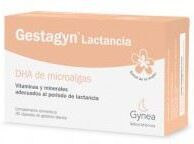
Bayer Ginecomplex Lactation 60 CapsulesNutrition and Supplements Vitamins and minerals Bayer Ginecomplex Lactation 60 Capsules Ginecomplex Lactation is a complete and balanced combination of omega-3 fatty acids, trace elements, vitamins, and minerals that helps meet the increased nutritional needs during breastfeeding. Ginecomplex Breastfeeding contains DHA (docosahexaenoic acid), an omega-3 fatty acid that contributes to maintaining normal brain and vision function, as well as essential trace elements: zinc contributes to cell division and the normal function of the immune system; iron contributes to the normal formation of red blood cells and hemoglobin and the normal transport of oxygen in the body; and iodine, which plays a role in normal cognitive function and the normal function of the nervous system. Other minerals such as copper and manganese are also present in Ginecomplex Breastfeeding. Ginecomplex lactation also contains vitamins: folic acid contributes to the growth of maternal tissues during pregnancy and to the process of cell division; vitamin A contributes to the maintenance of normal vision and supports the normal function of the immune system; vitamins B1, B2, B3, B6, B8 and B12 contribute to normal energy-yielding metabolism and the normal function of the nervous system; vitamin E contributes to the protection of cells from oxidative damage; vitamin C plays a role in normal collagen formation for the normal function of blood vessels, the normal function of the nervous system and the protection of cells from oxidative damage; and vitamin D, which contributes to the normal absorption and utilization of calcium and phosphorus, the maintenance of normal blood calcium levels, the maintenance of normal bones and the process of cell division. Instructions for Use: It is recommended to take two capsules daily during breastfeeding. Do not exceed this dose. Food supplements should not be used as a substitute for a varied and balanced diet and a healthy lifestyle.17,64 £*Shipping: 3,99 £Secure redirect to the provider


-
What is limited protein intake?
Limited protein intake refers to consuming a lower amount of protein than what is typically recommended for optimal health. This restriction may be necessary for individuals with certain medical conditions, such as kidney disease, where high protein intake can put strain on the kidneys. It can also be part of a specific dietary plan, such as a low-protein diet for managing certain metabolic disorders. It is important to work with a healthcare provider or dietitian to determine the appropriate level of protein intake for individual needs. **
-
What is reduced fluid intake?
Reduced fluid intake refers to consuming less liquid than the body needs to maintain proper hydration. This can lead to dehydration, which can cause symptoms such as dry mouth, dark urine, dizziness, and fatigue. Reduced fluid intake can be caused by various factors, including illness, medication side effects, or simply not drinking enough water throughout the day. It is important to maintain adequate fluid intake to support overall health and well-being. **
-
Is the intake manifold leaking?
To determine if the intake manifold is leaking, you can perform a visual inspection for any signs of coolant or oil leaks around the intake manifold gasket. Additionally, you can use a smoke machine to pressurize the intake system and look for any smoke escaping from the manifold. Another method is to use a propane torch (with caution) to pass it around the intake manifold while the engine is running and listen for changes in engine speed, which can indicate a vacuum leak. If any of these tests reveal a leak, then the intake manifold may be the source of the issue. **
-
Is the intake hose bent?
I'm sorry, but I am unable to physically inspect the intake hose. It would be best to visually inspect the intake hose for any signs of bending or damage. If you notice any kinks or bends in the intake hose, it may be necessary to replace it to ensure proper airflow and performance. **


Is a high fluid intake normal?
Yes, a high fluid intake can be normal and is often recommended for overall health. Staying hydrated is important for proper bodily functions, including regulating body temperature, aiding digestion, and maintaining healthy skin. However, it is possible to consume too much fluid, which can lead to water intoxication or hyponatremia. It is important to listen to your body's thirst cues and drink fluids as needed. **
How is protein intake in adolescents?
Protein intake is important for adolescents as they are still growing and developing. Adolescents need more protein compared to adults to support their growth, muscle development, and overall health. It is recommended that adolescents get their protein from a variety of sources such as lean meats, poultry, fish, eggs, dairy products, legumes, nuts, and seeds. It is important for adolescents to consume an adequate amount of protein to support their overall health and development. **
Top-Angebote
Products related to Intake:
-
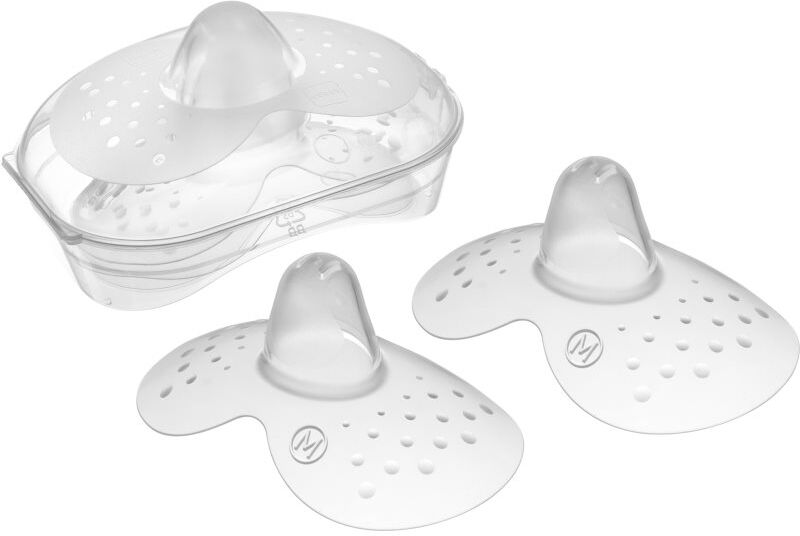
MAM Breastfeeding nipple shields for nursing size M 20 mm 2 pcMAM Breastfeeding, 2 pc, Nipple Shields for Breastfeeding for Women, MAM Breastfeeding nipple shields will help you solve many problems that might come with feeding your baby. Their specially designed shape and material will turn this lovely moment between a mother and a child into a time of relaxation. Characteristics: special shape of nipple shield lets the baby nuzzle up against the breast during nursing for a natural, comfortable feeling during feeding time protects painful and chapped nipples perfectly adheres to the breast made of soft silicone speeds up regeneration5,52 £*Shipping: 3,99 £Secure redirect to the provider
-
Bayer Ginecomplex Lactation 60 CapsulesNutrition and Supplements Vitamins and minerals Bayer Ginecomplex Lactation 60 Capsules Ginecomplex Lactation is a complete and balanced combination of omega-3 fatty acids, trace elements, vitamins, and minerals that helps meet the increased nutritional needs during breastfeeding. Ginecomplex Breastfeeding contains DHA (docosahexaenoic acid), an omega-3 fatty acid that contributes to maintaining normal brain and vision function, as well as essential trace elements: zinc contributes to cell division and the normal function of the immune system; iron contributes to the normal formation of red blood cells and hemoglobin and the normal transport of oxygen in the body; and iodine, which plays a role in normal cognitive function and the normal function of the nervous system. Other minerals such as copper and manganese are also present in Ginecomplex Breastfeeding. Ginecomplex lactation also contains vitamins: folic acid contributes to the growth of maternal tissues during pregnancy and to the process of cell division; vitamin A contributes to the maintenance of normal vision and supports the normal function of the immune system; vitamins B1, B2, B3, B6, B8 and B12 contribute to normal energy-yielding metabolism and the normal function of the nervous system; vitamin E contributes to the protection of cells from oxidative damage; vitamin C plays a role in normal collagen formation for the normal function of blood vessels, the normal function of the nervous system and the protection of cells from oxidative damage; and vitamin D, which contributes to the normal absorption and utilization of calcium and phosphorus, the maintenance of normal blood calcium levels, the maintenance of normal bones and the process of cell division. Instructions for Use: It is recommended to take two capsules daily during breastfeeding. Do not exceed this dose. Food supplements should not be used as a substitute for a varied and balanced diet and a healthy lifestyle.17,64 £*Shipping: 3,99 £Secure redirect to the provider
-
Is simultaneous intake possible?
Yes, simultaneous intake is possible in certain situations. For example, some medications are designed to be taken together at the same time to enhance their effectiveness or to minimize side effects. However, it is important to consult with a healthcare professional before taking multiple medications simultaneously, as some combinations can be harmful or reduce the effectiveness of the medications. It is also important to carefully follow the instructions provided by healthcare professionals or on the medication labels to ensure safe and effective simultaneous intake. **
-
How can I support the intake of Kre-Alkalyn and Beta-Alanine?
To support the intake of Kre-Alkalyn and Beta-Alanine, it's important to ensure that you are following the recommended dosage guidelines provided by the manufacturer or a healthcare professional. Additionally, it's important to stay well-hydrated while taking these supplements to support their absorption and effectiveness. Consuming a balanced diet that includes protein, carbohydrates, and healthy fats can also support the intake of these supplements by providing the necessary nutrients for muscle recovery and energy production. Lastly, it's important to listen to your body and monitor for any potential side effects or interactions with other medications or supplements. **
-
What is limited protein intake?
Limited protein intake refers to consuming a lower amount of protein than what is typically recommended for optimal health. This restriction may be necessary for individuals with certain medical conditions, such as kidney disease, where high protein intake can put strain on the kidneys. It can also be part of a specific dietary plan, such as a low-protein diet for managing certain metabolic disorders. It is important to work with a healthcare provider or dietitian to determine the appropriate level of protein intake for individual needs. **
-
What is reduced fluid intake?
Reduced fluid intake refers to consuming less liquid than the body needs to maintain proper hydration. This can lead to dehydration, which can cause symptoms such as dry mouth, dark urine, dizziness, and fatigue. Reduced fluid intake can be caused by various factors, including illness, medication side effects, or simply not drinking enough water throughout the day. It is important to maintain adequate fluid intake to support overall health and well-being. **
Similar search terms for Intake
-
Is the intake manifold leaking?
To determine if the intake manifold is leaking, you can perform a visual inspection for any signs of coolant or oil leaks around the intake manifold gasket. Additionally, you can use a smoke machine to pressurize the intake system and look for any smoke escaping from the manifold. Another method is to use a propane torch (with caution) to pass it around the intake manifold while the engine is running and listen for changes in engine speed, which can indicate a vacuum leak. If any of these tests reveal a leak, then the intake manifold may be the source of the issue. **
-
Is the intake hose bent?
I'm sorry, but I am unable to physically inspect the intake hose. It would be best to visually inspect the intake hose for any signs of bending or damage. If you notice any kinks or bends in the intake hose, it may be necessary to replace it to ensure proper airflow and performance. **
-
Is a high fluid intake normal?
Yes, a high fluid intake can be normal and is often recommended for overall health. Staying hydrated is important for proper bodily functions, including regulating body temperature, aiding digestion, and maintaining healthy skin. However, it is possible to consume too much fluid, which can lead to water intoxication or hyponatremia. It is important to listen to your body's thirst cues and drink fluids as needed. **
-
How is protein intake in adolescents?
Protein intake is important for adolescents as they are still growing and developing. Adolescents need more protein compared to adults to support their growth, muscle development, and overall health. It is recommended that adolescents get their protein from a variety of sources such as lean meats, poultry, fish, eggs, dairy products, legumes, nuts, and seeds. It is important for adolescents to consume an adequate amount of protein to support their overall health and development. **
* All prices are inclusive of VAT and, if applicable, plus shipping costs. The offer information is based on the details provided by the respective shop and is updated through automated processes. Real-time updates do not occur, so deviations can occur in individual cases. ** Note: Parts of this content were created by AI.