Buy stillberatung.eu ?
We are moving the project
stillberatung.eu .
Are you interested in purchasing the domain
stillberatung.eu ?
domain@kv-gmbh.de · 0541-91531010
Buy stillberatung.eu ?
How can one convert milligrams (mg) to milligrams (mg)?
Converting milligrams to milligrams is a straightforward process because they are the same unit of measurement. Therefore, there is no need to convert milligrams to milligrams as they are already the same. If you have a certain amount of milligrams, it is already in milligrams and does not need to be converted. **
How many milligrams are 0.45 grams per deciliter in milligrams per liter?
To convert 0.45 grams per deciliter to milligrams per liter, you would multiply by 100. This is because there are 10 deciliters in a liter, and 1 gram is equal to 1000 milligrams. So, 0.45 grams per deciliter is equal to 45 milligrams per deciliter. When converted to milligrams per liter, it becomes 450 milligrams per liter. **
Similar search terms for Milligrams
Top-Angebote
Products related to Milligrams:
-
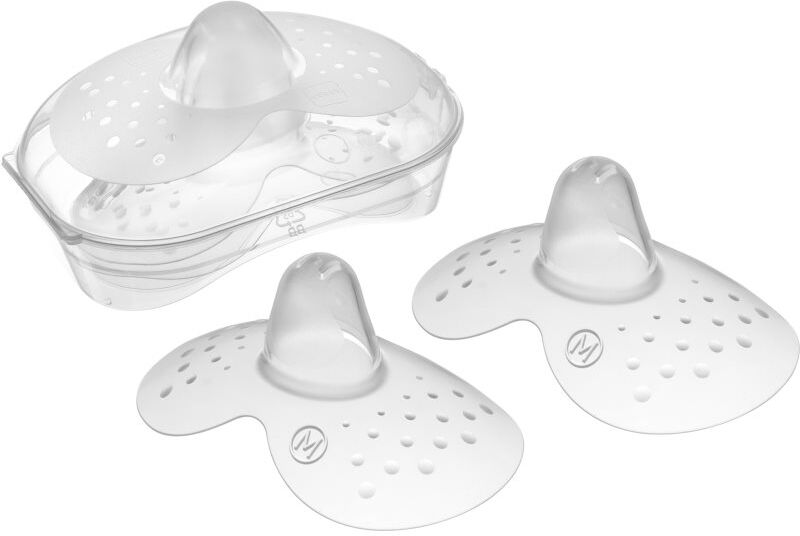
MAM Breastfeeding nipple shields for nursing size M 20 mm 2 pcMAM Breastfeeding, 2 pc, Nipple Shields for Breastfeeding for Women, MAM Breastfeeding nipple shields will help you solve many problems that might come with feeding your baby. Their specially designed shape and material will turn this lovely moment between a mother and a child into a time of relaxation. Characteristics: special shape of nipple shield lets the baby nuzzle up against the breast during nursing for a natural, comfortable feeling during feeding time protects painful and chapped nipples perfectly adheres to the breast made of soft silicone speeds up regeneration5,52 £*Shipping: 3,99 £Secure redirect to the provider
-
Bayer Ginecomplex Lactation 60 CapsulesNutrition and Supplements Vitamins and minerals Bayer Ginecomplex Lactation 60 Capsules Ginecomplex Lactation is a complete and balanced combination of omega-3 fatty acids, trace elements, vitamins, and minerals that helps meet the increased nutritional needs during breastfeeding. Ginecomplex Breastfeeding contains DHA (docosahexaenoic acid), an omega-3 fatty acid that contributes to maintaining normal brain and vision function, as well as essential trace elements: zinc contributes to cell division and the normal function of the immune system; iron contributes to the normal formation of red blood cells and hemoglobin and the normal transport of oxygen in the body; and iodine, which plays a role in normal cognitive function and the normal function of the nervous system. Other minerals such as copper and manganese are also present in Ginecomplex Breastfeeding. Ginecomplex lactation also contains vitamins: folic acid contributes to the growth of maternal tissues during pregnancy and to the process of cell division; vitamin A contributes to the maintenance of normal vision and supports the normal function of the immune system; vitamins B1, B2, B3, B6, B8 and B12 contribute to normal energy-yielding metabolism and the normal function of the nervous system; vitamin E contributes to the protection of cells from oxidative damage; vitamin C plays a role in normal collagen formation for the normal function of blood vessels, the normal function of the nervous system and the protection of cells from oxidative damage; and vitamin D, which contributes to the normal absorption and utilization of calcium and phosphorus, the maintenance of normal blood calcium levels, the maintenance of normal bones and the process of cell division. Instructions for Use: It is recommended to take two capsules daily during breastfeeding. Do not exceed this dose. Food supplements should not be used as a substitute for a varied and balanced diet and a healthy lifestyle.17,64 £*Shipping: 3,99 £Secure redirect to the provider

-
How do you convert milligrams per liter (mg/L) to milligrams per milliliter (mg/mL)?
To convert milligrams per liter (mg/L) to milligrams per milliliter (mg/mL), you can simply divide the mg/L value by 1000. This is because there are 1000 milliliters in a liter. So, if you have a concentration of 100 mg/L, you would divide 100 by 1000 to get 0.1 mg/mL. This conversion allows you to express the concentration of a substance in a smaller volume, such as in a laboratory experiment or medical dosage. **
-
How many milligrams are 500 milliliters?
The number of milligrams in 500 milliliters depends on the substance being measured. The conversion factor between milliliters and milligrams varies depending on the density of the substance. For water, which has a density of 1 gram per milliliter, 500 milliliters would be equal to 500,000 milligrams. However, for other substances with different densities, the conversion would be different. Therefore, the specific substance being measured needs to be known in order to accurately convert milliliters to milligrams. **
-
How many milligrams fit in one milliliter?
One milliliter of water weighs one gram, which is equivalent to 1000 milligrams. Therefore, one milliliter can hold 1000 milligrams of water or any other substance with a similar density. **
-
How many milligrams of Ibuprofen are lethal?
The lethal dose of Ibuprofen can vary depending on factors such as an individual's weight, age, and overall health. However, a dose of around 400mg per kilogram of body weight or higher can be potentially lethal. It is important to always follow the recommended dosage instructions provided by a healthcare professional or on the medication packaging to avoid any potential overdose. If you suspect an overdose or have concerns about Ibuprofen usage, it is crucial to seek immediate medical attention. **

How many milligrams of ibuprofen are lethal?
The lethal dose of ibuprofen varies depending on factors such as a person's weight, age, and overall health. However, it is generally accepted that a dose of 400mg per kilogram of body weight or more can be lethal. For an average adult weighing around 70kg, this would equate to approximately 28,000mg of ibuprofen. It is important to always follow the recommended dosage instructions and consult a healthcare professional if unsure. **
How do you convert grams to milligrams?
To convert grams to milligrams, you need to remember that 1 gram is equal to 1000 milligrams. So, to convert grams to milligrams, you simply need to multiply the number of grams by 1000. For example, if you have 2 grams, you would multiply 2 by 1000 to get 2000 milligrams. **
Top-Angebote
Products related to Milligrams:
-
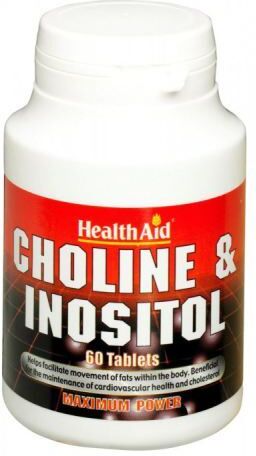
HealthAid Choline Inositol 250 milligrams 60 TabletsNutrition and Supplements Special supplements HealthAid Choline Inositol 250 milligrams 60 Tablets * Choline and Inositol tablets help the functioning of the liver, gallbladder and kidney, also maximizes the metabolism of fat and cholesterol and helps maintain healthy arteries. * Choline is necessary for the proper transmission of nerve impulses from the brain to the central nervous system. * Without enough choline, brain function and memory may be affected. * Choline also helps in the production of hormones. * It is important to include these nutrients in the diet as deficiency can lead to an unhealthy cardiovascular system and cholesterol levels, constipation, hair loss, irritability, mood swings and bad skin. - May aid in the development of healthy brain and nervous system function. - Helps maintain healthy cholesterol level. - It can protect against an overabundance of fat in the liver. - Supports a healthy heart. - Helps promote hair growth. - Helps calm the nervous system. - It can maintain a healthy digestive system.15,66 £*Shipping: 3,99 £Secure redirect to the provider
-
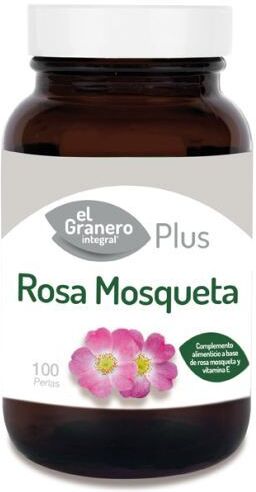
El Granero Integral Rosehip 100 pearls 720 milligramsNutrition and Supplements Natural Extracts El Granero Integral Rosehip 100 pearls 720 milligrams The essential oil of rosehip has countless benefits including a very useful to promote the elimination of stretch marks. Rosehip promotes blood irrigation in the area where it is applied, it also improves and regulates pigmentation and helps to regenerate melanin in the body. Rosehip oil has a very high content of fatty acids, including linoleic, oleic and arachidonic acids.It also has a good load of carotin, flavonoids and vitamins, all nutrients and elements that contribute to cell regeneration and the good condition of the skin of the whole body. It is of enormous help when it comes to disguising, diminishing and eliminating various imperfections of the skin, such as scars, wrinkles and, of course: stretch marks. The oral use in pearls with the external application is of great help and is complemented with greater effectiveness.16,92 £*Shipping: 3,99 £Secure redirect to the provider
-
MAM Breastfeeding nipple shields for nursing size M 20 mm 2 pcMAM Breastfeeding, 2 pc, Nipple Shields for Breastfeeding for Women, MAM Breastfeeding nipple shields will help you solve many problems that might come with feeding your baby. Their specially designed shape and material will turn this lovely moment between a mother and a child into a time of relaxation. Characteristics: special shape of nipple shield lets the baby nuzzle up against the breast during nursing for a natural, comfortable feeling during feeding time protects painful and chapped nipples perfectly adheres to the breast made of soft silicone speeds up regeneration5,52 £*Shipping: 3,99 £Secure redirect to the provider
-
How can one convert milligrams (mg) to milligrams (mg)?
Converting milligrams to milligrams is a straightforward process because they are the same unit of measurement. Therefore, there is no need to convert milligrams to milligrams as they are already the same. If you have a certain amount of milligrams, it is already in milligrams and does not need to be converted. **
-
How many milligrams are 0.45 grams per deciliter in milligrams per liter?
To convert 0.45 grams per deciliter to milligrams per liter, you would multiply by 100. This is because there are 10 deciliters in a liter, and 1 gram is equal to 1000 milligrams. So, 0.45 grams per deciliter is equal to 45 milligrams per deciliter. When converted to milligrams per liter, it becomes 450 milligrams per liter. **
-
How do you convert milligrams per liter (mg/L) to milligrams per milliliter (mg/mL)?
To convert milligrams per liter (mg/L) to milligrams per milliliter (mg/mL), you can simply divide the mg/L value by 1000. This is because there are 1000 milliliters in a liter. So, if you have a concentration of 100 mg/L, you would divide 100 by 1000 to get 0.1 mg/mL. This conversion allows you to express the concentration of a substance in a smaller volume, such as in a laboratory experiment or medical dosage. **
-
How many milligrams are 500 milliliters?
The number of milligrams in 500 milliliters depends on the substance being measured. The conversion factor between milliliters and milligrams varies depending on the density of the substance. For water, which has a density of 1 gram per milliliter, 500 milliliters would be equal to 500,000 milligrams. However, for other substances with different densities, the conversion would be different. Therefore, the specific substance being measured needs to be known in order to accurately convert milliliters to milligrams. **
Similar search terms for Milligrams
-
Bayer Ginecomplex Lactation 60 CapsulesNutrition and Supplements Vitamins and minerals Bayer Ginecomplex Lactation 60 Capsules Ginecomplex Lactation is a complete and balanced combination of omega-3 fatty acids, trace elements, vitamins, and minerals that helps meet the increased nutritional needs during breastfeeding. Ginecomplex Breastfeeding contains DHA (docosahexaenoic acid), an omega-3 fatty acid that contributes to maintaining normal brain and vision function, as well as essential trace elements: zinc contributes to cell division and the normal function of the immune system; iron contributes to the normal formation of red blood cells and hemoglobin and the normal transport of oxygen in the body; and iodine, which plays a role in normal cognitive function and the normal function of the nervous system. Other minerals such as copper and manganese are also present in Ginecomplex Breastfeeding. Ginecomplex lactation also contains vitamins: folic acid contributes to the growth of maternal tissues during pregnancy and to the process of cell division; vitamin A contributes to the maintenance of normal vision and supports the normal function of the immune system; vitamins B1, B2, B3, B6, B8 and B12 contribute to normal energy-yielding metabolism and the normal function of the nervous system; vitamin E contributes to the protection of cells from oxidative damage; vitamin C plays a role in normal collagen formation for the normal function of blood vessels, the normal function of the nervous system and the protection of cells from oxidative damage; and vitamin D, which contributes to the normal absorption and utilization of calcium and phosphorus, the maintenance of normal blood calcium levels, the maintenance of normal bones and the process of cell division. Instructions for Use: It is recommended to take two capsules daily during breastfeeding. Do not exceed this dose. Food supplements should not be used as a substitute for a varied and balanced diet and a healthy lifestyle.17,64 £*Shipping: 3,99 £Secure redirect to the provider
-
Hi-Line Gift Mother & Baby KoalaAn awesome piece of sculptured art build with durable polyresin. This Mother and baby Koala statue can be a perfect addition to your home and garden decor. A true example of incredible craftsmanship that captured this emotion in the finest manner.155,71 $*Shipping: 0,00 $Secure redirect to the provider
-
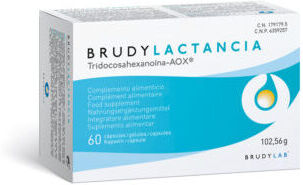
Brudy Lab Breastfeeding 60 CapsulesNutrition and Supplements Vitamins and minerals Brudy Lab Breastfeeding 60 Capsules What is Brudy Lab Lactation 60 Capsules? Brudy Lab Lactation 60 Capsules is a dietary supplement specially formulated to support mothers during the breastfeeding process. This product combines a selection of natural ingredients that promote breast milk production and help maintain the overall health of both mother and baby. Its composition includes ingredients such as fenugreek, green anise, fennel, and ginseng, known for their galactogenic properties, which stimulate and improve breast milk production. The 60 Brudy Lab Lactation capsules provide daily support throughout the breastfeeding process, promoting not only milk production but also the mother's emotional and physical well-being. Who is it for? Brudy Lab Lactation 60 Capsules is indicated for: Nursing mothers who wish to increase or maintain breast milk production naturally Women seeking nutritional supplementation during breastfeeding People who prefer to use natural solutions instead of synthetic medications Mothers who need additional support to balance their physical and emotional health during breastfeeding This supplement is ideal for women in the **postpartum** period who want to optimize their breastfeeding experience and ensure their baby receives the best possible nutrition. How do I apply it? Using Brudy Lab Breastfeeding 60 Capsules is easy and convenient. For best results, follow these recommendations: Take 1 capsule of Brudy Lab Lactation a day, preferably during a meal to improve absorption. Take with a glass of water to facilitate swallowing. It is recommended to follow the daily dose indicated by the manufacturer, do not exceed it without consulting a health professional This supplement is suitable for incorporating into your daily routine and is recommended for regular use to optimize its long-term effects. Product use Brudy Lab Lactancia 60 Capsules has multiple benefits that not only promote breastfeeding, but also help maintain overall well-being during the postpartum period: Promotes increased breast milk production thanks to its natural ingredients Supports the digestive system, reducing common problems such as bloating or postpartum constipation Contributes to the emotional and physical well-being of the mother during breastfeeding Improves the quality of breast milk, providing essential nutrients for the baby It is a natural and safe option to complement the diet during breastfeeding. This supplement is presented as an ideal option for women who want a natural and effective alternative to enhance lactation without resorting to chemicals or artificial products. Buy Brudy Lab Breastfeeding 60 Capsules Purchase Brudy Lab Breastfeeding 60 Capsules in our online store and start enjoying the benefits of this natural supplement. We guarantee a 100% secure purchasing process and fast shipping nationwide. Buy directly from our website with security in every transaction Fast shipping so you...26,41 £*Shipping: 3,99 £Secure redirect to the provider
-
How many milligrams fit in one milliliter?
One milliliter of water weighs one gram, which is equivalent to 1000 milligrams. Therefore, one milliliter can hold 1000 milligrams of water or any other substance with a similar density. **
-
How many milligrams of Ibuprofen are lethal?
The lethal dose of Ibuprofen can vary depending on factors such as an individual's weight, age, and overall health. However, a dose of around 400mg per kilogram of body weight or higher can be potentially lethal. It is important to always follow the recommended dosage instructions provided by a healthcare professional or on the medication packaging to avoid any potential overdose. If you suspect an overdose or have concerns about Ibuprofen usage, it is crucial to seek immediate medical attention. **
-
How many milligrams of ibuprofen are lethal?
The lethal dose of ibuprofen varies depending on factors such as a person's weight, age, and overall health. However, it is generally accepted that a dose of 400mg per kilogram of body weight or more can be lethal. For an average adult weighing around 70kg, this would equate to approximately 28,000mg of ibuprofen. It is important to always follow the recommended dosage instructions and consult a healthcare professional if unsure. **
-
How do you convert grams to milligrams?
To convert grams to milligrams, you need to remember that 1 gram is equal to 1000 milligrams. So, to convert grams to milligrams, you simply need to multiply the number of grams by 1000. For example, if you have 2 grams, you would multiply 2 by 1000 to get 2000 milligrams. **
* All prices are inclusive of VAT and, if applicable, plus shipping costs. The offer information is based on the details provided by the respective shop and is updated through automated processes. Real-time updates do not occur, so deviations can occur in individual cases. ** Note: Parts of this content were created by AI.