Buy stillberatung.eu ?
We are moving the project
stillberatung.eu .
Are you interested in purchasing the domain
stillberatung.eu ?
domain@kv-gmbh.de · 0541-91531010
Buy stillberatung.eu ?
What is proton donation and proton acceptance in chemistry?
Proton donation and proton acceptance are key concepts in acid-base chemistry. Proton donation refers to the transfer of a hydrogen ion (proton) from one substance to another. This typically occurs when an acid donates a proton to a base. Proton acceptance, on the other hand, involves the acceptance of a proton by a substance, often a base, leading to the formation of a new chemical species. These processes are fundamental to understanding the behavior of acids and bases in chemical reactions. **
What is meant by proton donors and proton acceptors?
Proton donors are substances that can donate a proton (H+) to another substance. This typically involves the release of a hydrogen ion. Proton acceptors, on the other hand, are substances that can accept a proton from another substance. This typically involves the uptake of a hydrogen ion. In the context of acid-base reactions, proton donors are acids, while proton acceptors are bases. **

Similar search terms for Proton
Top-Angebote
Products related to Proton:
-
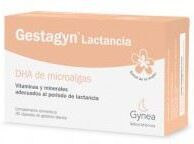
Bayer Ginecomplex Lactation 60 CapsulesNutrition and Supplements Vitamins and minerals Bayer Ginecomplex Lactation 60 Capsules Ginecomplex Lactation is a complete and balanced combination of omega-3 fatty acids, trace elements, vitamins, and minerals that helps meet the increased nutritional needs during breastfeeding. Ginecomplex Breastfeeding contains DHA (docosahexaenoic acid), an omega-3 fatty acid that contributes to maintaining normal brain and vision function, as well as essential trace elements: zinc contributes to cell division and the normal function of the immune system; iron contributes to the normal formation of red blood cells and hemoglobin and the normal transport of oxygen in the body; and iodine, which plays a role in normal cognitive function and the normal function of the nervous system. Other minerals such as copper and manganese are also present in Ginecomplex Breastfeeding. Ginecomplex lactation also contains vitamins: folic acid contributes to the growth of maternal tissues during pregnancy and to the process of cell division; vitamin A contributes to the maintenance of normal vision and supports the normal function of the immune system; vitamins B1, B2, B3, B6, B8 and B12 contribute to normal energy-yielding metabolism and the normal function of the nervous system; vitamin E contributes to the protection of cells from oxidative damage; vitamin C plays a role in normal collagen formation for the normal function of blood vessels, the normal function of the nervous system and the protection of cells from oxidative damage; and vitamin D, which contributes to the normal absorption and utilization of calcium and phosphorus, the maintenance of normal blood calcium levels, the maintenance of normal bones and the process of cell division. Instructions for Use: It is recommended to take two capsules daily during breastfeeding. Do not exceed this dose. Food supplements should not be used as a substitute for a varied and balanced diet and a healthy lifestyle.17,64 £*Shipping: 3,99 £Secure redirect to the provider
-
Hi-Line Gift Mother & Baby KoalaAn awesome piece of sculptured art build with durable polyresin. This Mother and baby Koala statue can be a perfect addition to your home and garden decor. A true example of incredible craftsmanship that captured this emotion in the finest manner.155,71 $*Shipping: 0,00 $Secure redirect to the provider


-
What determines a proton donor and a proton acceptor?
A proton donor is a substance that can release a proton (H+) in a chemical reaction, while a proton acceptor is a substance that can accept a proton. This ability is determined by the presence of a hydrogen atom with a positive charge (H+) in the molecule. In general, substances with a lone pair of electrons, such as a hydroxide ion (OH-) or an amine group (NH2), can act as proton acceptors, while substances with a hydrogen atom bonded to an electronegative atom, such as a hydrochloric acid (HCl) or acetic acid (CH3COOH), can act as proton donors. **
-
Why are carboxylic acids proton donors and amines proton acceptors?
Carboxylic acids are proton donors because they contain a highly electronegative oxygen atom that can stabilize the resulting carboxylate anion by delocalizing the negative charge. Amines, on the other hand, are proton acceptors because they contain a lone pair of electrons on the nitrogen atom that can readily accept a proton to form a positively charged ammonium ion. This ability to donate or accept protons is due to the presence of functional groups in these molecules that can easily gain or lose a hydrogen ion in solution. **
-
Are there only proton-proton collisions in the particle accelerator?
No, there are not only proton-proton collisions in the particle accelerator. Particle accelerators can also collide protons with other particles such as electrons or heavy ions like lead or gold. These collisions are important for studying different aspects of particle physics and for exploring the fundamental forces and particles that make up the universe. By colliding different types of particles, scientists can gain a better understanding of the fundamental building blocks of matter and the forces that govern their interactions. **
-
How secure is Proton?
Proton is considered to be a highly secure email service. It offers end-to-end encryption for emails, meaning that only the sender and recipient can read the contents of the messages. Proton also uses strong encryption protocols to protect user data and has a strict privacy policy that ensures user information is not shared with third parties. Additionally, Proton is based in Switzerland, known for its strong privacy laws, adding an extra layer of security for users. **

What are proton currents?
Proton currents refer to the flow of protons, which are positively charged particles, through a medium. This flow of protons can occur in various contexts, such as in biological systems, in proton-conducting materials, or in the context of proton exchange membrane fuel cells. Proton currents are important in many physiological processes, such as the generation of energy in cells through the process of oxidative phosphorylation. In the context of proton-conducting materials and fuel cells, proton currents are important for the generation of electrical energy. **
What is proton decay?
Proton decay is a theoretical process in which a proton, one of the fundamental particles that make up an atom's nucleus, decays into lighter particles. This process is predicted by some grand unified theories (GUTs) that seek to unify the electromagnetic, weak, and strong nuclear forces. If proton decay were to occur, it would have profound implications for our understanding of the fundamental forces and particles in the universe. However, despite extensive experimental efforts, proton decay has not been observed, and its theoretical prediction remains unconfirmed. **
Top-Angebote
Products related to Proton:
-
Of Wheels Deals Geely Proton Ultra Bright LED Trunk Light Upgrade Geely Proton Ultra Bright LED Trunk Light UpgradeBring a brighter and more convenient driving experience to your vehicle with this premium LED trunk light designed for Geely EX2 and Proton e.MAS 5 models. This upgrade enhances trunk visibility while adding a stylish modern touch to your car...47,97 $*Shipping: 0,00 $Secure redirect to the provider
-
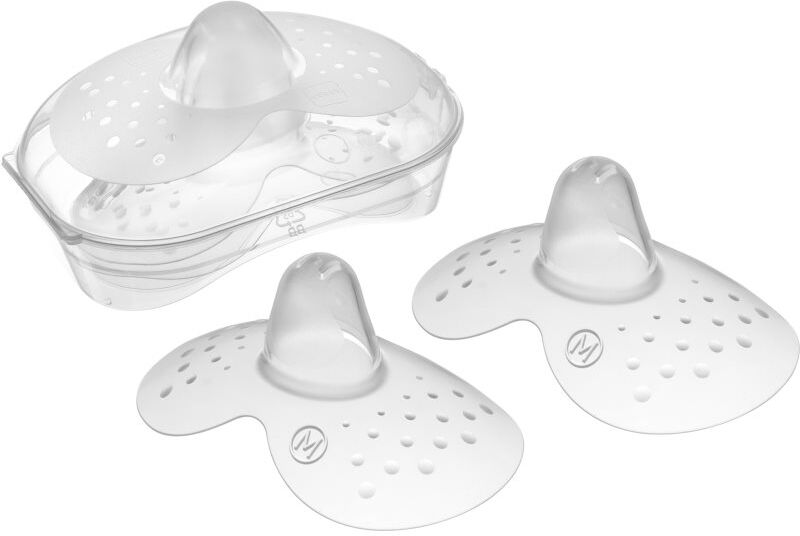
MAM Breastfeeding nipple shields for nursing size M 20 mm 2 pcMAM Breastfeeding, 2 pc, Nipple Shields for Breastfeeding for Women, MAM Breastfeeding nipple shields will help you solve many problems that might come with feeding your baby. Their specially designed shape and material will turn this lovely moment between a mother and a child into a time of relaxation. Characteristics: special shape of nipple shield lets the baby nuzzle up against the breast during nursing for a natural, comfortable feeling during feeding time protects painful and chapped nipples perfectly adheres to the breast made of soft silicone speeds up regeneration5,52 £*Shipping: 3,99 £Secure redirect to the provider
-
Bayer Ginecomplex Lactation 60 CapsulesNutrition and Supplements Vitamins and minerals Bayer Ginecomplex Lactation 60 Capsules Ginecomplex Lactation is a complete and balanced combination of omega-3 fatty acids, trace elements, vitamins, and minerals that helps meet the increased nutritional needs during breastfeeding. Ginecomplex Breastfeeding contains DHA (docosahexaenoic acid), an omega-3 fatty acid that contributes to maintaining normal brain and vision function, as well as essential trace elements: zinc contributes to cell division and the normal function of the immune system; iron contributes to the normal formation of red blood cells and hemoglobin and the normal transport of oxygen in the body; and iodine, which plays a role in normal cognitive function and the normal function of the nervous system. Other minerals such as copper and manganese are also present in Ginecomplex Breastfeeding. Ginecomplex lactation also contains vitamins: folic acid contributes to the growth of maternal tissues during pregnancy and to the process of cell division; vitamin A contributes to the maintenance of normal vision and supports the normal function of the immune system; vitamins B1, B2, B3, B6, B8 and B12 contribute to normal energy-yielding metabolism and the normal function of the nervous system; vitamin E contributes to the protection of cells from oxidative damage; vitamin C plays a role in normal collagen formation for the normal function of blood vessels, the normal function of the nervous system and the protection of cells from oxidative damage; and vitamin D, which contributes to the normal absorption and utilization of calcium and phosphorus, the maintenance of normal blood calcium levels, the maintenance of normal bones and the process of cell division. Instructions for Use: It is recommended to take two capsules daily during breastfeeding. Do not exceed this dose. Food supplements should not be used as a substitute for a varied and balanced diet and a healthy lifestyle.17,64 £*Shipping: 3,99 £Secure redirect to the provider
-
What is proton donation and proton acceptance in chemistry?
Proton donation and proton acceptance are key concepts in acid-base chemistry. Proton donation refers to the transfer of a hydrogen ion (proton) from one substance to another. This typically occurs when an acid donates a proton to a base. Proton acceptance, on the other hand, involves the acceptance of a proton by a substance, often a base, leading to the formation of a new chemical species. These processes are fundamental to understanding the behavior of acids and bases in chemical reactions. **
-
What is meant by proton donors and proton acceptors?
Proton donors are substances that can donate a proton (H+) to another substance. This typically involves the release of a hydrogen ion. Proton acceptors, on the other hand, are substances that can accept a proton from another substance. This typically involves the uptake of a hydrogen ion. In the context of acid-base reactions, proton donors are acids, while proton acceptors are bases. **
-
What determines a proton donor and a proton acceptor?
A proton donor is a substance that can release a proton (H+) in a chemical reaction, while a proton acceptor is a substance that can accept a proton. This ability is determined by the presence of a hydrogen atom with a positive charge (H+) in the molecule. In general, substances with a lone pair of electrons, such as a hydroxide ion (OH-) or an amine group (NH2), can act as proton acceptors, while substances with a hydrogen atom bonded to an electronegative atom, such as a hydrochloric acid (HCl) or acetic acid (CH3COOH), can act as proton donors. **
-
Why are carboxylic acids proton donors and amines proton acceptors?
Carboxylic acids are proton donors because they contain a highly electronegative oxygen atom that can stabilize the resulting carboxylate anion by delocalizing the negative charge. Amines, on the other hand, are proton acceptors because they contain a lone pair of electrons on the nitrogen atom that can readily accept a proton to form a positively charged ammonium ion. This ability to donate or accept protons is due to the presence of functional groups in these molecules that can easily gain or lose a hydrogen ion in solution. **
Similar search terms for Proton
-
Hi-Line Gift Mother & Baby KoalaAn awesome piece of sculptured art build with durable polyresin. This Mother and baby Koala statue can be a perfect addition to your home and garden decor. A true example of incredible craftsmanship that captured this emotion in the finest manner.155,71 $*Shipping: 0,00 $Secure redirect to the provider
-
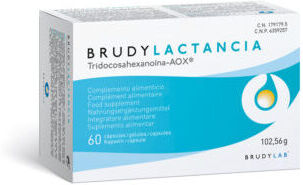
Brudy Lab Breastfeeding 60 CapsulesNutrition and Supplements Vitamins and minerals Brudy Lab Breastfeeding 60 Capsules What is Brudy Lab Lactation 60 Capsules? Brudy Lab Lactation 60 Capsules is a dietary supplement specially formulated to support mothers during the breastfeeding process. This product combines a selection of natural ingredients that promote breast milk production and help maintain the overall health of both mother and baby. Its composition includes ingredients such as fenugreek, green anise, fennel, and ginseng, known for their galactogenic properties, which stimulate and improve breast milk production. The 60 Brudy Lab Lactation capsules provide daily support throughout the breastfeeding process, promoting not only milk production but also the mother's emotional and physical well-being. Who is it for? Brudy Lab Lactation 60 Capsules is indicated for: Nursing mothers who wish to increase or maintain breast milk production naturally Women seeking nutritional supplementation during breastfeeding People who prefer to use natural solutions instead of synthetic medications Mothers who need additional support to balance their physical and emotional health during breastfeeding This supplement is ideal for women in the **postpartum** period who want to optimize their breastfeeding experience and ensure their baby receives the best possible nutrition. How do I apply it? Using Brudy Lab Breastfeeding 60 Capsules is easy and convenient. For best results, follow these recommendations: Take 1 capsule of Brudy Lab Lactation a day, preferably during a meal to improve absorption. Take with a glass of water to facilitate swallowing. It is recommended to follow the daily dose indicated by the manufacturer, do not exceed it without consulting a health professional This supplement is suitable for incorporating into your daily routine and is recommended for regular use to optimize its long-term effects. Product use Brudy Lab Lactancia 60 Capsules has multiple benefits that not only promote breastfeeding, but also help maintain overall well-being during the postpartum period: Promotes increased breast milk production thanks to its natural ingredients Supports the digestive system, reducing common problems such as bloating or postpartum constipation Contributes to the emotional and physical well-being of the mother during breastfeeding Improves the quality of breast milk, providing essential nutrients for the baby It is a natural and safe option to complement the diet during breastfeeding. This supplement is presented as an ideal option for women who want a natural and effective alternative to enhance lactation without resorting to chemicals or artificial products. Buy Brudy Lab Breastfeeding 60 Capsules Purchase Brudy Lab Breastfeeding 60 Capsules in our online store and start enjoying the benefits of this natural supplement. We guarantee a 100% secure purchasing process and fast shipping nationwide. Buy directly from our website with security in every transaction Fast shipping so you...26,42 £*Shipping: 3,99 £Secure redirect to the provider
-
Natalben Natalben Breastfeeding 60 CapsulesNutrition and Supplements Special supplements Natalben Natalben Breastfeeding 60 Capsules What is Natalben Lactation 60 Capsules Natalben Lactancia 60 Capsules is a dietary supplement specially formulated to meet the nutritional needs of breastfeeding mothers. Its advanced formula provides vitamins, minerals, and essential fatty acids such as DHA, which are essential for the mother's well-being and the baby's proper development. It includes key nutrients such as vitamin D, iron, iodine, and calcium, which help maintain energy, promote breast milk production, and support the immune system. Thanks to its DHA (docosahexaenoic acid) content, it contributes to infant brain and visual development, always within the context of a varied and balanced diet. It is a high-quality, gluten-free product suitable for mothers who want to take care of their health and that of their child safely. Who is it for? • Breastfeeding mothers seeking comprehensive nutritional support . • Women who need to maintain optimal levels of vitamins and minerals after childbirth. • Mothers who wish to promote their baby’s brain and visual development thanks to DHA. • People who need to strengthen their defenses and energy during a period of high physical demand. • Women with restricted diets that may make it difficult to obtain essential nutrients. How is it applied? • It is recommended to take one capsule a day with a glass of water. • Preferably take during a meal to promote nutrient absorption . • Maintain consistency in taking to obtain continuous benefits during breastfeeding . • Do not exceed the recommended daily dose. • Store in a cool, dry place, out of reach of children. Use of the product. • Provides essential vitamins and minerals for the nursing mother. • Promotes the baby's cognitive and visual development thanks to DHA. • Contributes to the maintenance of strong bones and teeth due to its calcium and vitamin D content. • Helps reduce tiredness and fatigue thanks to iron and B vitamins. • Strengthens the mother's immune system . Buy Natalben Lactation 60 capsules Purchasing Natalben Lactation 60 capsules means investing in the mother's health and the baby's optimal development. This supplement has been designed to meet the specific needs of breastfeeding, providing nutrients that are often not sufficiently obtained through diet alone. • Complete and balanced formula with DHA, essential vitamins and minerals . • High quality product, gluten free . • Suitable for daily use throughout breastfeeding . • Backed by Natalben ’s experience and quality. • Available in 60-capsule format, ideal for a two-month supply. Buy Natalben Lactancia 60 capsules now and receive an essential nutritional ally at home for this important stage.16,50 £*Shipping: 3,99 £Secure redirect to the provider
-
Are there only proton-proton collisions in the particle accelerator?
No, there are not only proton-proton collisions in the particle accelerator. Particle accelerators can also collide protons with other particles such as electrons or heavy ions like lead or gold. These collisions are important for studying different aspects of particle physics and for exploring the fundamental forces and particles that make up the universe. By colliding different types of particles, scientists can gain a better understanding of the fundamental building blocks of matter and the forces that govern their interactions. **
-
How secure is Proton?
Proton is considered to be a highly secure email service. It offers end-to-end encryption for emails, meaning that only the sender and recipient can read the contents of the messages. Proton also uses strong encryption protocols to protect user data and has a strict privacy policy that ensures user information is not shared with third parties. Additionally, Proton is based in Switzerland, known for its strong privacy laws, adding an extra layer of security for users. **
-
What are proton currents?
Proton currents refer to the flow of protons, which are positively charged particles, through a medium. This flow of protons can occur in various contexts, such as in biological systems, in proton-conducting materials, or in the context of proton exchange membrane fuel cells. Proton currents are important in many physiological processes, such as the generation of energy in cells through the process of oxidative phosphorylation. In the context of proton-conducting materials and fuel cells, proton currents are important for the generation of electrical energy. **
-
What is proton decay?
Proton decay is a theoretical process in which a proton, one of the fundamental particles that make up an atom's nucleus, decays into lighter particles. This process is predicted by some grand unified theories (GUTs) that seek to unify the electromagnetic, weak, and strong nuclear forces. If proton decay were to occur, it would have profound implications for our understanding of the fundamental forces and particles in the universe. However, despite extensive experimental efforts, proton decay has not been observed, and its theoretical prediction remains unconfirmed. **
* All prices are inclusive of VAT and, if applicable, plus shipping costs. The offer information is based on the details provided by the respective shop and is updated through automated processes. Real-time updates do not occur, so deviations can occur in individual cases. ** Note: Parts of this content were created by AI.