Buy stillberatung.eu ?
We are moving the project
stillberatung.eu .
Are you interested in purchasing the domain
stillberatung.eu ?
domain@kv-gmbh.de · 0541-91531010
Buy stillberatung.eu ?
At what salinity is water drinkable?
Water is considered drinkable when it has a salinity level of less than 500 mg/L (milligrams per liter). This level of salinity is generally safe for human consumption and does not pose any health risks. Water with higher salinity levels may taste salty and can have a laxative effect if consumed in large quantities. **
At what salinity level is water drinkable?
Water is considered drinkable when it has a salinity level of less than 500 mg/L (milligrams per liter). This level of salinity is considered safe for human consumption and does not pose any health risks. Higher levels of salinity can make water taste salty and can have negative effects on the body if consumed in large quantities. **


Similar search terms for Salinity
Top-Angebote
Products related to Salinity:
-
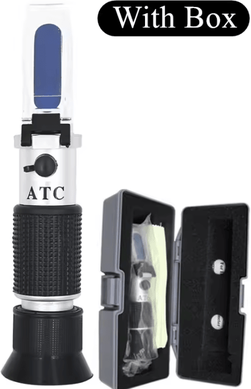
Inspire Curations Handheld Salinity Refractometer For Saltwater Aquariums with BoxMonitor saltwater conditions with confidence using this salinity refractometer designed for quick and convenient liquid testing. Its dualscale measurement allows users to check salinity from 0100 and specific gravity from 1.0001.070 SG, making...133,00 $*Shipping: 0,00 $Secure redirect to the provider
-
Inspire Curations 0 28% ATC Salinity Refractometer For Seawater And Saltwater Testing with BoxKeep salt levels under control with this salinity refractometer, designed for quick and convenient testing of seawater and saline solutions. Its 028% measurement range makes this saltwater concentration tester useful for aquariums, food preparation,...113,00 $*Shipping: 0,00 $Secure redirect to the provider
-
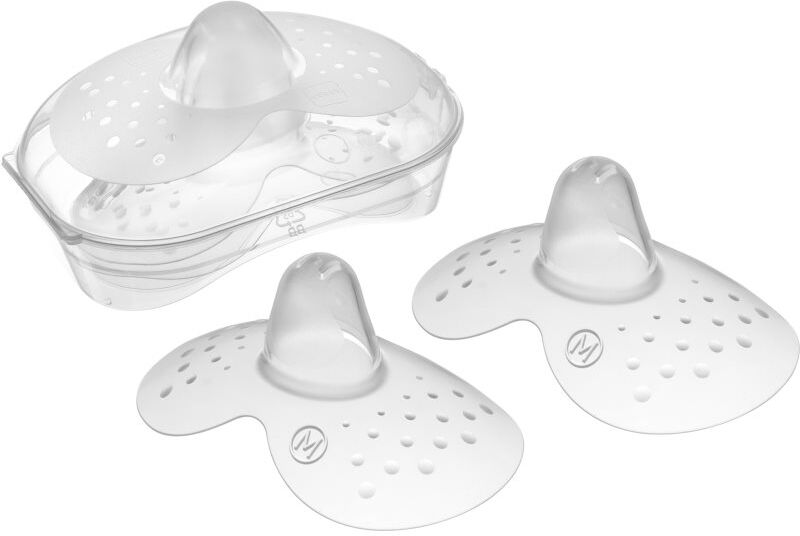
MAM Breastfeeding nipple shields for nursing size M 20 mm 2 pcMAM Breastfeeding, 2 pc, Nipple Shields for Breastfeeding for Women, MAM Breastfeeding nipple shields will help you solve many problems that might come with feeding your baby. Their specially designed shape and material will turn this lovely moment between a mother and a child into a time of relaxation. Characteristics: special shape of nipple shield lets the baby nuzzle up against the breast during nursing for a natural, comfortable feeling during feeding time protects painful and chapped nipples perfectly adheres to the breast made of soft silicone speeds up regeneration5,52 £*Shipping: 3,99 £Secure redirect to the provider
-
Inspire Select 7 in 1 Digital Water Quality Monitor PH TDS EC ORP Salinity S.G Temperature Tester With Backlight For Aquariums 4 In 1 Ph MeterEnjoy greater confidence in your water conditions with fast, convenient measurements right at your fingertips. This versatile handheld tester combines several essential measurements in one compact device, reducing the need to switch between separate...160,95 $*Shipping: 0,00 $Secure redirect to the provider


-
Why do oceans have different levels of salinity?
Oceans have different levels of salinity due to a variety of factors. One major factor is the amount of freshwater input from rivers, precipitation, and melting ice. Areas with high freshwater input tend to have lower salinity levels, while areas with high evaporation rates and limited freshwater input have higher salinity levels. Additionally, ocean currents can also play a role in distributing and mixing saltwater, leading to variations in salinity levels across different regions of the ocean. Finally, the temperature of the water can also affect salinity, as warmer water can hold more salt than colder water. **
-
Could very many artificial freshwater lakes possibly have an impact on the salinity of the seas?
Yes, the creation of very many artificial freshwater lakes could potentially have an impact on the salinity of the seas. This is because the water that would have otherwise flowed into the sea is being diverted to these lakes, reducing the amount of freshwater entering the sea. As a result, the salinity of the sea could increase due to the imbalance in the water cycle. Additionally, the reduced freshwater flow into the sea could also impact the ecosystems and marine life that rely on a certain level of salinity for survival. **
-
How can we wean a baby off breastfeeding?
To wean a baby off breastfeeding, it is important to do it gradually to minimize discomfort for both the baby and the mother. Start by replacing one breastfeeding session with a bottle of expressed milk or formula. Slowly increase the number of bottle feedings while decreasing the number of breastfeeding sessions. It is also helpful to offer comfort and distraction to the baby during the transition period. Consulting with a pediatrician or lactation consultant can provide personalized guidance and support throughout the weaning process. **
-
How can I wean my baby off breastfeeding?
To wean your baby off breastfeeding, you can start by gradually replacing breastfeeding sessions with bottle feeding or solid foods. Begin by eliminating one feeding session at a time and offering a bottle or cup instead. You can also try distracting your baby with activities or toys when they ask to breastfeed. It's important to be patient and understanding during this process, as it can be emotional for both you and your baby. Consulting with a pediatrician or lactation consultant for guidance and support can also be helpful. **

How can you wean a baby from breastfeeding?
To wean a baby from breastfeeding, it's important to do it gradually to minimize discomfort for both the baby and the mother. Start by replacing one feeding at a time with a bottle of formula or breast milk. You can also try offering solid foods and snacks to help fill the baby's tummy. It's important to be patient and responsive to the baby's cues during this process. Additionally, offering comfort and cuddles during the weaning process can help ease the transition for the baby. **
Can the expansion of seawater desalination plants meet the freshwater needs of humanity and simultaneously increase the salinity concentration of seawater?
While seawater desalination plants can help meet the freshwater needs of humanity, their expansion can also lead to an increase in the salinity concentration of seawater. This is because the process of desalination removes freshwater from seawater, leaving behind a more concentrated brine that is often discharged back into the ocean. If not properly managed, this discharge can contribute to the overall salinization of seawater. Therefore, it is important to consider the environmental impacts and sustainability of seawater desalination projects to ensure they do not exacerbate salinity issues in the long term. **
Top-Angebote
Products related to Salinity:
-
Inspired Deals Salinity Refractometer With ATC Dual Scale Saltwater Specific Gravity Meter Salinity Refractometer With ATC Dual Scale Saltwater Specific Gravity MeterKeep salt levels confidently in check with a compact tool built for quick, dependable testing. The RZ118 saltwater salinity meter measures both NaCl concentration and specific gravity, making it practical for aquariums, marine applications, food...54,97 $*Shipping: 0,00 $Secure redirect to the provider
-
Uplift Essentials Handheld Aquarium Saltwater Salinity Refractometer with BoxMaintain precise salinity levels in marine environments with this salinity refractometer. Engineered specifically for saltwater aquariums, reef tanks, and marine aquaculture, this precision optical testing instrument measures salt concentrations...64,97 $*Shipping: 0,00 $Secure redirect to the provider
-
Inspire Curations Handheld Salinity Refractometer For Saltwater Aquariums with BoxMonitor saltwater conditions with confidence using this salinity refractometer designed for quick and convenient liquid testing. Its dualscale measurement allows users to check salinity from 0100 and specific gravity from 1.0001.070 SG, making...133,00 $*Shipping: 0,00 $Secure redirect to the provider
-
Inspire Curations 0 28% ATC Salinity Refractometer For Seawater And Saltwater Testing with BoxKeep salt levels under control with this salinity refractometer, designed for quick and convenient testing of seawater and saline solutions. Its 028% measurement range makes this saltwater concentration tester useful for aquariums, food preparation,...113,00 $*Shipping: 0,00 $Secure redirect to the provider
-
At what salinity is water drinkable?
Water is considered drinkable when it has a salinity level of less than 500 mg/L (milligrams per liter). This level of salinity is generally safe for human consumption and does not pose any health risks. Water with higher salinity levels may taste salty and can have a laxative effect if consumed in large quantities. **
-
At what salinity level is water drinkable?
Water is considered drinkable when it has a salinity level of less than 500 mg/L (milligrams per liter). This level of salinity is considered safe for human consumption and does not pose any health risks. Higher levels of salinity can make water taste salty and can have negative effects on the body if consumed in large quantities. **
-
Why do oceans have different levels of salinity?
Oceans have different levels of salinity due to a variety of factors. One major factor is the amount of freshwater input from rivers, precipitation, and melting ice. Areas with high freshwater input tend to have lower salinity levels, while areas with high evaporation rates and limited freshwater input have higher salinity levels. Additionally, ocean currents can also play a role in distributing and mixing saltwater, leading to variations in salinity levels across different regions of the ocean. Finally, the temperature of the water can also affect salinity, as warmer water can hold more salt than colder water. **
-
Could very many artificial freshwater lakes possibly have an impact on the salinity of the seas?
Yes, the creation of very many artificial freshwater lakes could potentially have an impact on the salinity of the seas. This is because the water that would have otherwise flowed into the sea is being diverted to these lakes, reducing the amount of freshwater entering the sea. As a result, the salinity of the sea could increase due to the imbalance in the water cycle. Additionally, the reduced freshwater flow into the sea could also impact the ecosystems and marine life that rely on a certain level of salinity for survival. **
Similar search terms for Salinity
-
MAM Breastfeeding nipple shields for nursing size M 20 mm 2 pcMAM Breastfeeding, 2 pc, Nipple Shields for Breastfeeding for Women, MAM Breastfeeding nipple shields will help you solve many problems that might come with feeding your baby. Their specially designed shape and material will turn this lovely moment between a mother and a child into a time of relaxation. Characteristics: special shape of nipple shield lets the baby nuzzle up against the breast during nursing for a natural, comfortable feeling during feeding time protects painful and chapped nipples perfectly adheres to the breast made of soft silicone speeds up regeneration5,52 £*Shipping: 3,99 £Secure redirect to the provider
-
Inspire Select 7 in 1 Digital Water Quality Monitor PH TDS EC ORP Salinity S.G Temperature Tester With Backlight For Aquariums 4 In 1 Ph MeterEnjoy greater confidence in your water conditions with fast, convenient measurements right at your fingertips. This versatile handheld tester combines several essential measurements in one compact device, reducing the need to switch between separate...160,95 $*Shipping: 0,00 $Secure redirect to the provider
-
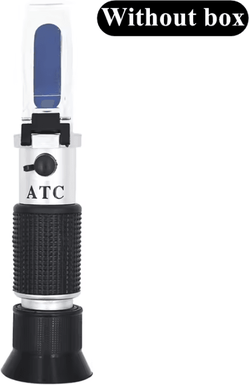
Uplift Essentials Handheld Aquarium Saltwater Salinity Refractometer without BoxMaintain precise salinity levels in marine environments with this salinity refractometer. Engineered specifically for saltwater aquariums, reef tanks, and marine aquaculture, this precision optical testing instrument measures salt concentrations...62,97 $*Shipping: 0,00 $Secure redirect to the provider
-
Inspire Curations Handheld Salinity Refractometer For Saltwater Aquariums without BoxMonitor saltwater conditions with confidence using this salinity refractometer designed for quick and convenient liquid testing. Its dualscale measurement allows users to check salinity from 0100 and specific gravity from 1.0001.070 SG, making...100,50 $*Shipping: 0,00 $Secure redirect to the provider
-
How can we wean a baby off breastfeeding?
To wean a baby off breastfeeding, it is important to do it gradually to minimize discomfort for both the baby and the mother. Start by replacing one breastfeeding session with a bottle of expressed milk or formula. Slowly increase the number of bottle feedings while decreasing the number of breastfeeding sessions. It is also helpful to offer comfort and distraction to the baby during the transition period. Consulting with a pediatrician or lactation consultant can provide personalized guidance and support throughout the weaning process. **
-
How can I wean my baby off breastfeeding?
To wean your baby off breastfeeding, you can start by gradually replacing breastfeeding sessions with bottle feeding or solid foods. Begin by eliminating one feeding session at a time and offering a bottle or cup instead. You can also try distracting your baby with activities or toys when they ask to breastfeed. It's important to be patient and understanding during this process, as it can be emotional for both you and your baby. Consulting with a pediatrician or lactation consultant for guidance and support can also be helpful. **
-
How can you wean a baby from breastfeeding?
To wean a baby from breastfeeding, it's important to do it gradually to minimize discomfort for both the baby and the mother. Start by replacing one feeding at a time with a bottle of formula or breast milk. You can also try offering solid foods and snacks to help fill the baby's tummy. It's important to be patient and responsive to the baby's cues during this process. Additionally, offering comfort and cuddles during the weaning process can help ease the transition for the baby. **
-
Can the expansion of seawater desalination plants meet the freshwater needs of humanity and simultaneously increase the salinity concentration of seawater?
While seawater desalination plants can help meet the freshwater needs of humanity, their expansion can also lead to an increase in the salinity concentration of seawater. This is because the process of desalination removes freshwater from seawater, leaving behind a more concentrated brine that is often discharged back into the ocean. If not properly managed, this discharge can contribute to the overall salinization of seawater. Therefore, it is important to consider the environmental impacts and sustainability of seawater desalination projects to ensure they do not exacerbate salinity issues in the long term. **
* All prices are inclusive of VAT and, if applicable, plus shipping costs. The offer information is based on the details provided by the respective shop and is updated through automated processes. Real-time updates do not occur, so deviations can occur in individual cases. ** Note: Parts of this content were created by AI.