Buy stillberatung.eu ?
We are moving the project
stillberatung.eu .
Are you interested in purchasing the domain
stillberatung.eu ?
domain@kv-gmbh.de · 0541-91531010
Buy stillberatung.eu ?
What are sensory cells, sensory organs, and senses?
Sensory cells are specialized cells that detect and respond to specific stimuli, such as light, sound, touch, taste, and smell. These cells are found in sensory organs, which are structures in the body that contain sensory cells and are responsible for detecting and transmitting sensory information to the brain. The senses, on the other hand, are the physiological capacities of organisms that provide data for perception. They include sight, hearing, touch, taste, and smell, and are essential for experiencing and interacting with the environment. **
What is the difference between a primary sensory cell, a secondary sensory cell, and a sensory nerve cell?
Primary sensory cells are specialized cells that directly detect stimuli from the environment, such as light, sound, or touch. Secondary sensory cells receive signals from primary sensory cells and transmit them to the central nervous system. Sensory nerve cells, also known as sensory neurons, are responsible for transmitting the signals from secondary sensory cells to the brain, where they are processed and interpreted. In summary, primary sensory cells detect stimuli, secondary sensory cells relay the signals, and sensory nerve cells transmit the signals to the brain for processing. **


Similar search terms for Sensory
Top-Angebote
Products related to Sensory:
-
Baby Einstein Slide & Swirl™ sensory ball 3m+ 1 pcBaby Einstein Slide & Swirl™, 1 pc, Interactive toys For Kids, Children need as many different stimuli as possible to develop properly. The Baby Einstein Slide & Swirl™ toy will provide them with various stimuli that will stimulate different senses and keep your child's attention. Your inquisitive child will be interested, entertained, but also helped in the development of his or her sensory perception, motor skills and other abilities. Provide your child with smart entertainment which will promote their overall development. Characteristics: colour version varying textures stimulate a child’s sense of touch develops your baby’s concentration skills colours stimulate sensory development easy to hold with a tiny hand practical design makes the toy easy to grab promotes development of your child's hand-eye coordination helps entertain your child when travelling thanks to the need to hit a specific spot, it helps to exercise and develop your child's motor skills a multisensory toy designed to develop your baby’s abilities a ball intended for children's little hands Materials: plastic How to use: If the toy is worn, damaged or chewed, replace it with a new one.5,40 £*Shipping: 3,99 £Secure redirect to the provider
-
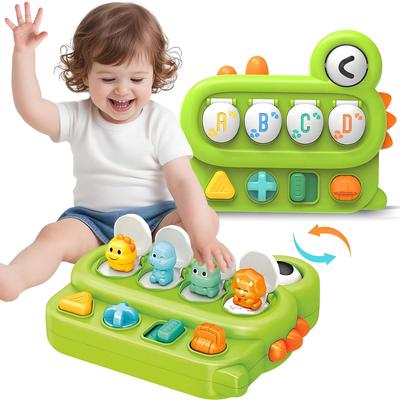
JoyToys Montessori Pop Up Dinosaur Toy For Toddlers Interactive Sensory Baby Learning Toy Montessori Pop Up Dinosaur Toy For Toddlers Interactive Sensory Baby Learning ToyExperience the joy of watching your little one learn through play with this Montessori cause and effect toy. Designed for babies and toddlers 18 months and older, this engaging activity toy features colorful dinosaur characters that pop up through...31,97 $*Shipping: 0,00 $Secure redirect to the provider
-
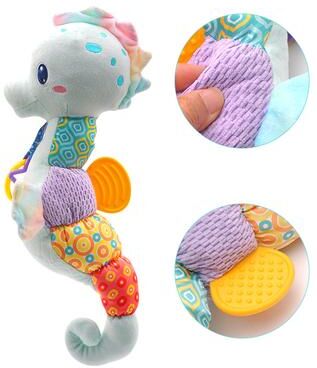
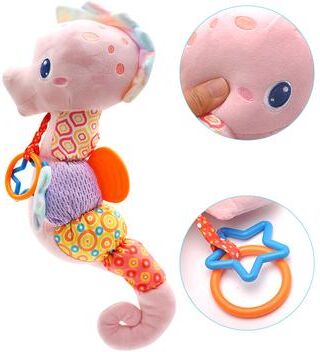
USA Free Shipping Shop Baby Seahorse Baby Sensory Toy & Musical Baby Toy Soft Plush Newborn Rattle blueSoothe, entertain, and encourage early discovery with this adorable Baby sensory toy designed for curious little hands. Featuring a soft plush seahorse with gentle music, crinkle textures, and an easytograsp design, it's made to comfort and...44,97 $*Shipping: 0,00 $Secure redirect to the provider
-
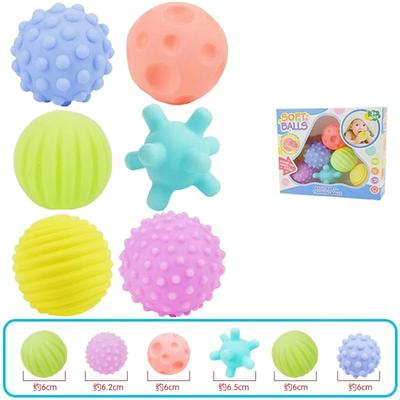
Uplifted Finds Textured Multi Sensory Baby Touch Ball Set macarone BoxSupport your child's early development with this Textured Multi Ball Set, a specialized sensory tool designed to act as an efficient tool for tactile exploration and motor skill refinement. Specifically engineered with six unique surface patterns,...66,97 $*Shipping: 0,00 $Secure redirect to the provider

-
Are receptors sensory cells?
Receptors are not sensory cells themselves, but they are specialized proteins located on the surface of sensory cells. These receptors are responsible for detecting and responding to specific stimuli, such as light, sound, taste, or smell. When a receptor is activated by a stimulus, it triggers a series of biochemical reactions within the sensory cell, ultimately leading to the generation of a sensory signal that can be transmitted to the brain for processing. Therefore, while receptors are not sensory cells, they play a crucial role in the sensory process by detecting and transducing stimuli into neural signals. **
-
What is sensory perception?
Sensory perception refers to the process of receiving and interpreting information from the environment through the senses. This includes the five main senses of sight, hearing, touch, taste, and smell, as well as other sensory experiences such as balance, proprioception, and temperature. The brain then processes this sensory information to create a perception of the world around us, allowing us to interact with and understand our surroundings. Sensory perception is essential for everyday functioning and plays a crucial role in how we experience and navigate the world. **
-
What are artificial sensory organs?
Artificial sensory organs are devices designed to mimic the functions of natural sensory organs, such as the eyes, ears, and skin. These devices use advanced technology to detect and process sensory information, allowing individuals to perceive and interact with their environment in a way that is similar to natural sensory organs. Artificial sensory organs have the potential to enhance or restore sensory capabilities for individuals with disabilities, as well as to provide new sensory experiences for people without impairments. These technologies have the potential to revolutionize healthcare and human-computer interaction. **
-
How does sensory development progress?
Sensory development progresses through a series of stages, beginning with basic sensory experiences such as touch, taste, and smell in infancy. As children grow, they develop more refined sensory abilities, such as improved vision and hearing, and begin to integrate sensory information to make sense of their environment. This process continues into adolescence and adulthood, with individuals becoming more adept at interpreting and responding to sensory stimuli. Overall, sensory development progresses from basic sensory experiences to more complex and integrated sensory abilities as individuals mature. **
What are sensory nerve cells?
Sensory nerve cells, also known as sensory neurons, are specialized cells that transmit information from the body's sensory organs (such as the skin, eyes, ears, nose, and tongue) to the central nervous system. These cells are responsible for detecting various stimuli, such as touch, temperature, pain, and pressure, and converting these stimuli into electrical signals that can be interpreted by the brain. Sensory nerve cells play a crucial role in allowing us to perceive and respond to our environment. **
Why is sensory transduction necessary?
Sensory transduction is necessary because it allows the body to convert various forms of environmental stimuli, such as light, sound, touch, and chemical signals, into electrical signals that can be interpreted by the nervous system. This process is essential for the body to perceive and respond to its surroundings, allowing for the detection of potential dangers, the regulation of bodily functions, and the experience of sensations such as taste, smell, and touch. Without sensory transduction, the body would not be able to effectively interact with its environment and respond to changes in its surroundings. **
Top-Angebote
Products related to Sensory:
-
Tiny Tots Teens Trends Montessori Sensory Hedgehog Toys For Toddlers, Educational Fine Motor Baby Toys, Preschool Sensory Travel Toy Montessori Sensory Hedgehog Toys For Toddlers, Educational Fine Motor Baby Toys, Preschool Sensory Travel ToyIntroducing our Sensory Hedgehog Toys for toddlers the perfect Montessori fine motor toys designed to engage your babys senses while enhancing their developmental skills. This educational sensory toy is a musthave for parents seeking to support...49,97 $*Shipping: 0,00 $Secure redirect to the provider
-
Fusion Finds Double Headed Baby Rattle Toy Easy Grip Sensory Toy For Infants Double Headed Baby Rattle Toy Easy Grip Sensory Toy For InfantsBring gentle sound and handson fun to your babys everyday play. This infant sensory toy features a doubleheaded rattle design with a center grip made for little hands to hold and shake. The movement and sound encourage early sensory exploration...59,97 $*Shipping: 0,00 $Secure redirect to the provider
-
Baby Einstein Slide & Swirl™ sensory ball 3m+ 1 pcBaby Einstein Slide & Swirl™, 1 pc, Interactive toys For Kids, Children need as many different stimuli as possible to develop properly. The Baby Einstein Slide & Swirl™ toy will provide them with various stimuli that will stimulate different senses and keep your child's attention. Your inquisitive child will be interested, entertained, but also helped in the development of his or her sensory perception, motor skills and other abilities. Provide your child with smart entertainment which will promote their overall development. Characteristics: colour version varying textures stimulate a child’s sense of touch develops your baby’s concentration skills colours stimulate sensory development easy to hold with a tiny hand practical design makes the toy easy to grab promotes development of your child's hand-eye coordination helps entertain your child when travelling thanks to the need to hit a specific spot, it helps to exercise and develop your child's motor skills a multisensory toy designed to develop your baby’s abilities a ball intended for children's little hands Materials: plastic How to use: If the toy is worn, damaged or chewed, replace it with a new one.5,40 £*Shipping: 3,99 £Secure redirect to the provider
-
JoyToys Montessori Pop Up Dinosaur Toy For Toddlers Interactive Sensory Baby Learning Toy Montessori Pop Up Dinosaur Toy For Toddlers Interactive Sensory Baby Learning ToyExperience the joy of watching your little one learn through play with this Montessori cause and effect toy. Designed for babies and toddlers 18 months and older, this engaging activity toy features colorful dinosaur characters that pop up through...31,97 $*Shipping: 0,00 $Secure redirect to the provider
-
What are sensory cells, sensory organs, and senses?
Sensory cells are specialized cells that detect and respond to specific stimuli, such as light, sound, touch, taste, and smell. These cells are found in sensory organs, which are structures in the body that contain sensory cells and are responsible for detecting and transmitting sensory information to the brain. The senses, on the other hand, are the physiological capacities of organisms that provide data for perception. They include sight, hearing, touch, taste, and smell, and are essential for experiencing and interacting with the environment. **
-
What is the difference between a primary sensory cell, a secondary sensory cell, and a sensory nerve cell?
Primary sensory cells are specialized cells that directly detect stimuli from the environment, such as light, sound, or touch. Secondary sensory cells receive signals from primary sensory cells and transmit them to the central nervous system. Sensory nerve cells, also known as sensory neurons, are responsible for transmitting the signals from secondary sensory cells to the brain, where they are processed and interpreted. In summary, primary sensory cells detect stimuli, secondary sensory cells relay the signals, and sensory nerve cells transmit the signals to the brain for processing. **
-
Are receptors sensory cells?
Receptors are not sensory cells themselves, but they are specialized proteins located on the surface of sensory cells. These receptors are responsible for detecting and responding to specific stimuli, such as light, sound, taste, or smell. When a receptor is activated by a stimulus, it triggers a series of biochemical reactions within the sensory cell, ultimately leading to the generation of a sensory signal that can be transmitted to the brain for processing. Therefore, while receptors are not sensory cells, they play a crucial role in the sensory process by detecting and transducing stimuli into neural signals. **
-
What is sensory perception?
Sensory perception refers to the process of receiving and interpreting information from the environment through the senses. This includes the five main senses of sight, hearing, touch, taste, and smell, as well as other sensory experiences such as balance, proprioception, and temperature. The brain then processes this sensory information to create a perception of the world around us, allowing us to interact with and understand our surroundings. Sensory perception is essential for everyday functioning and plays a crucial role in how we experience and navigate the world. **
Similar search terms for Sensory
-
USA Free Shipping Shop Baby Seahorse Baby Sensory Toy & Musical Baby Toy Soft Plush Newborn Rattle blueSoothe, entertain, and encourage early discovery with this adorable Baby sensory toy designed for curious little hands. Featuring a soft plush seahorse with gentle music, crinkle textures, and an easytograsp design, it's made to comfort and...44,97 $*Shipping: 0,00 $Secure redirect to the provider
-
Uplifted Finds Textured Multi Sensory Baby Touch Ball Set macarone BoxSupport your child's early development with this Textured Multi Ball Set, a specialized sensory tool designed to act as an efficient tool for tactile exploration and motor skill refinement. Specifically engineered with six unique surface patterns,...66,97 $*Shipping: 0,00 $Secure redirect to the provider
-
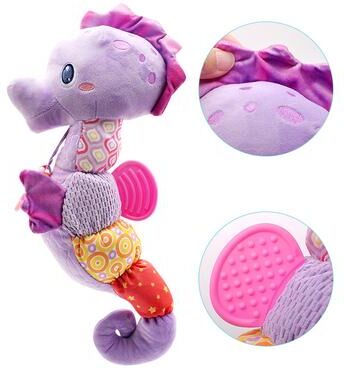
USA Free Shipping Shop Baby Seahorse Baby Sensory Toy & Musical Baby Toy Soft Plush Newborn Rattle purpleSoothe, entertain, and encourage early discovery with this adorable Baby sensory toy designed for curious little hands. Featuring a soft plush seahorse with gentle music, crinkle textures, and an easytograsp design, it's made to comfort and...44,97 $*Shipping: 0,00 $Secure redirect to the provider
-
USA Free Shipping Shop Baby Seahorse Baby Sensory Toy & Musical Baby Toy Soft Plush Newborn Rattle pinkSoothe, entertain, and encourage early discovery with this adorable Baby sensory toy designed for curious little hands. Featuring a soft plush seahorse with gentle music, crinkle textures, and an easytograsp design, it's made to comfort and...44,97 $*Shipping: 0,00 $Secure redirect to the provider
-
What are artificial sensory organs?
Artificial sensory organs are devices designed to mimic the functions of natural sensory organs, such as the eyes, ears, and skin. These devices use advanced technology to detect and process sensory information, allowing individuals to perceive and interact with their environment in a way that is similar to natural sensory organs. Artificial sensory organs have the potential to enhance or restore sensory capabilities for individuals with disabilities, as well as to provide new sensory experiences for people without impairments. These technologies have the potential to revolutionize healthcare and human-computer interaction. **
-
How does sensory development progress?
Sensory development progresses through a series of stages, beginning with basic sensory experiences such as touch, taste, and smell in infancy. As children grow, they develop more refined sensory abilities, such as improved vision and hearing, and begin to integrate sensory information to make sense of their environment. This process continues into adolescence and adulthood, with individuals becoming more adept at interpreting and responding to sensory stimuli. Overall, sensory development progresses from basic sensory experiences to more complex and integrated sensory abilities as individuals mature. **
-
What are sensory nerve cells?
Sensory nerve cells, also known as sensory neurons, are specialized cells that transmit information from the body's sensory organs (such as the skin, eyes, ears, nose, and tongue) to the central nervous system. These cells are responsible for detecting various stimuli, such as touch, temperature, pain, and pressure, and converting these stimuli into electrical signals that can be interpreted by the brain. Sensory nerve cells play a crucial role in allowing us to perceive and respond to our environment. **
-
Why is sensory transduction necessary?
Sensory transduction is necessary because it allows the body to convert various forms of environmental stimuli, such as light, sound, touch, and chemical signals, into electrical signals that can be interpreted by the nervous system. This process is essential for the body to perceive and respond to its surroundings, allowing for the detection of potential dangers, the regulation of bodily functions, and the experience of sensations such as taste, smell, and touch. Without sensory transduction, the body would not be able to effectively interact with its environment and respond to changes in its surroundings. **
* All prices are inclusive of VAT and, if applicable, plus shipping costs. The offer information is based on the details provided by the respective shop and is updated through automated processes. Real-time updates do not occur, so deviations can occur in individual cases. ** Note: Parts of this content were created by AI.