Buy stillberatung.eu ?
We are moving the project
stillberatung.eu .
Are you interested in purchasing the domain
stillberatung.eu ?
domain@kv-gmbh.de · 0541-91531010
Buy stillberatung.eu ?
What is better: Snaffle bit or Waterford bit?
The choice between a snaffle bit and a Waterford bit depends on the individual horse and its specific needs. A snaffle bit is a milder option, providing direct pressure on the horse's mouth, making it suitable for sensitive or green horses. On the other hand, a Waterford bit is a more flexible and less severe option, making it suitable for horses that tend to lean on the bit or have a strong mouth. Ultimately, the best choice depends on the horse's temperament, training level, and the rider's skill and experience. **
Is the support vector a position vector and why?
No, the support vector is not a position vector. In machine learning, a support vector is a data point that lies closest to the decision boundary separating different classes in a classification problem. It is used to define the optimal hyperplane that maximizes the margin between classes. Therefore, a support vector is not a position vector in a geometric sense, but rather a key component in determining the decision boundary in a support vector machine algorithm. **
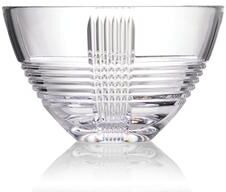

Similar search terms for Waterford-Marquis-Vector-Bowl
Top-Angebote
Products related to Waterford-Marquis-Vector-Bowl:
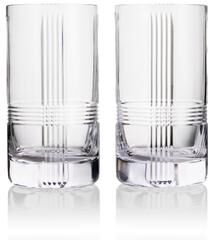

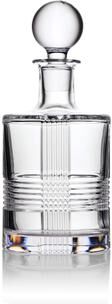
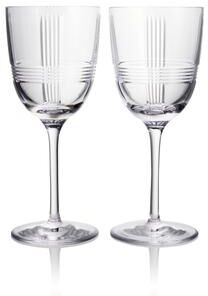
-
Why is the direction vector a support vector and derivative?
The direction vector is a support vector because it provides the direction in which a function is changing. It is also a derivative because it represents the rate of change of the function in that direction. In other words, the direction vector gives us the slope of the function in a specific direction, making it both a support vector and a derivative. **
-
What is the difference between position vector and support vector?
A position vector is a vector that represents the position of a point in space relative to a reference point or origin. It specifies the location of a point in terms of its distance and direction from the origin. On the other hand, a support vector is a concept used in machine learning for classification tasks. It is a vector that defines the decision boundary between different classes in a dataset. Support vectors are the data points that lie closest to the decision boundary and are used to define the optimal separating hyperplane. In summary, the main difference is that a position vector represents a point's location in space, while a support vector is used in machine learning for classification tasks. **
-
What is the difference between a direction vector and a support vector?
A direction vector is a vector that indicates the direction in which a line or a plane is pointing. It does not have a specific starting point and can be scaled to represent different magnitudes of the same direction. On the other hand, a support vector is a vector that lies on the line or plane and is used to define its position in space. It has a specific starting point and represents a specific point on the line or plane. In other words, a direction vector gives the orientation of a line or plane, while a support vector gives a specific point on that line or plane. **
-
What is the difference between a support vector and a position vector?
A support vector is a concept used in machine learning, particularly in support vector machines, where it refers to the data points that are used to define the decision boundary between different classes. These vectors are crucial in determining the optimal hyperplane that separates the classes in the feature space. On the other hand, a position vector is a vector that represents the position of a point in space relative to a reference point or origin. It is used in geometry and physics to describe the location of an object in a coordinate system. In summary, the main difference between the two is that a support vector is used in machine learning to define decision boundaries, while a position vector is used in mathematics and physics to represent the position of a point in space. **


How can one determine the normal vector if only the support vector and a direction vector are given?
To determine the normal vector when only the support vector and a direction vector are given, one can first find a vector perpendicular to the direction vector. This can be done by taking the cross product of the direction vector with any arbitrary vector that is not parallel to it. Once this perpendicular vector is obtained, it can be added to the support vector to find the normal vector of the plane. **
Is it irrelevant which vector I choose as the support and direction vector?
No, it is not irrelevant which vector you choose as the support and direction vector. The support vector determines the position of the line or plane, while the direction vector determines the orientation. Choosing different support and direction vectors will result in different lines or planes. Therefore, the choice of support and direction vectors is crucial in determining the specific line or plane in question. **
Top-Angebote
Products related to Waterford-Marquis-Vector-Bowl:
-
Waterford, Marquis Markham - Bowl Clear 1The Markham Collection combines traditional-style cutting and quality with Marquis's value. Markham lends an air of sophistication to any event, with home decor and stemware featuring a classic cut pattern design and sculpted stems. Brand Name: Waterford.75,00 £*Shipping: 0,00 £Secure redirect to the provider
-
What is better: Snaffle bit or Waterford bit?
The choice between a snaffle bit and a Waterford bit depends on the individual horse and its specific needs. A snaffle bit is a milder option, providing direct pressure on the horse's mouth, making it suitable for sensitive or green horses. On the other hand, a Waterford bit is a more flexible and less severe option, making it suitable for horses that tend to lean on the bit or have a strong mouth. Ultimately, the best choice depends on the horse's temperament, training level, and the rider's skill and experience. **
-
Is the support vector a position vector and why?
No, the support vector is not a position vector. In machine learning, a support vector is a data point that lies closest to the decision boundary separating different classes in a classification problem. It is used to define the optimal hyperplane that maximizes the margin between classes. Therefore, a support vector is not a position vector in a geometric sense, but rather a key component in determining the decision boundary in a support vector machine algorithm. **
-
Why is the direction vector a support vector and derivative?
The direction vector is a support vector because it provides the direction in which a function is changing. It is also a derivative because it represents the rate of change of the function in that direction. In other words, the direction vector gives us the slope of the function in a specific direction, making it both a support vector and a derivative. **
-
What is the difference between position vector and support vector?
A position vector is a vector that represents the position of a point in space relative to a reference point or origin. It specifies the location of a point in terms of its distance and direction from the origin. On the other hand, a support vector is a concept used in machine learning for classification tasks. It is a vector that defines the decision boundary between different classes in a dataset. Support vectors are the data points that lie closest to the decision boundary and are used to define the optimal separating hyperplane. In summary, the main difference is that a position vector represents a point's location in space, while a support vector is used in machine learning for classification tasks. **
Similar search terms for Waterford-Marquis-Vector-Bowl
-
What is the difference between a direction vector and a support vector?
A direction vector is a vector that indicates the direction in which a line or a plane is pointing. It does not have a specific starting point and can be scaled to represent different magnitudes of the same direction. On the other hand, a support vector is a vector that lies on the line or plane and is used to define its position in space. It has a specific starting point and represents a specific point on the line or plane. In other words, a direction vector gives the orientation of a line or plane, while a support vector gives a specific point on that line or plane. **
-
What is the difference between a support vector and a position vector?
A support vector is a concept used in machine learning, particularly in support vector machines, where it refers to the data points that are used to define the decision boundary between different classes. These vectors are crucial in determining the optimal hyperplane that separates the classes in the feature space. On the other hand, a position vector is a vector that represents the position of a point in space relative to a reference point or origin. It is used in geometry and physics to describe the location of an object in a coordinate system. In summary, the main difference between the two is that a support vector is used in machine learning to define decision boundaries, while a position vector is used in mathematics and physics to represent the position of a point in space. **
-
How can one determine the normal vector if only the support vector and a direction vector are given?
To determine the normal vector when only the support vector and a direction vector are given, one can first find a vector perpendicular to the direction vector. This can be done by taking the cross product of the direction vector with any arbitrary vector that is not parallel to it. Once this perpendicular vector is obtained, it can be added to the support vector to find the normal vector of the plane. **
-
Is it irrelevant which vector I choose as the support and direction vector?
No, it is not irrelevant which vector you choose as the support and direction vector. The support vector determines the position of the line or plane, while the direction vector determines the orientation. Choosing different support and direction vectors will result in different lines or planes. Therefore, the choice of support and direction vectors is crucial in determining the specific line or plane in question. **
* All prices are inclusive of VAT and, if applicable, plus shipping costs. The offer information is based on the details provided by the respective shop and is updated through automated processes. Real-time updates do not occur, so deviations can occur in individual cases. ** Note: Parts of this content were created by AI.